Tuff Shed Site Prep & Utilities: The San Francisco Owner’s Guide
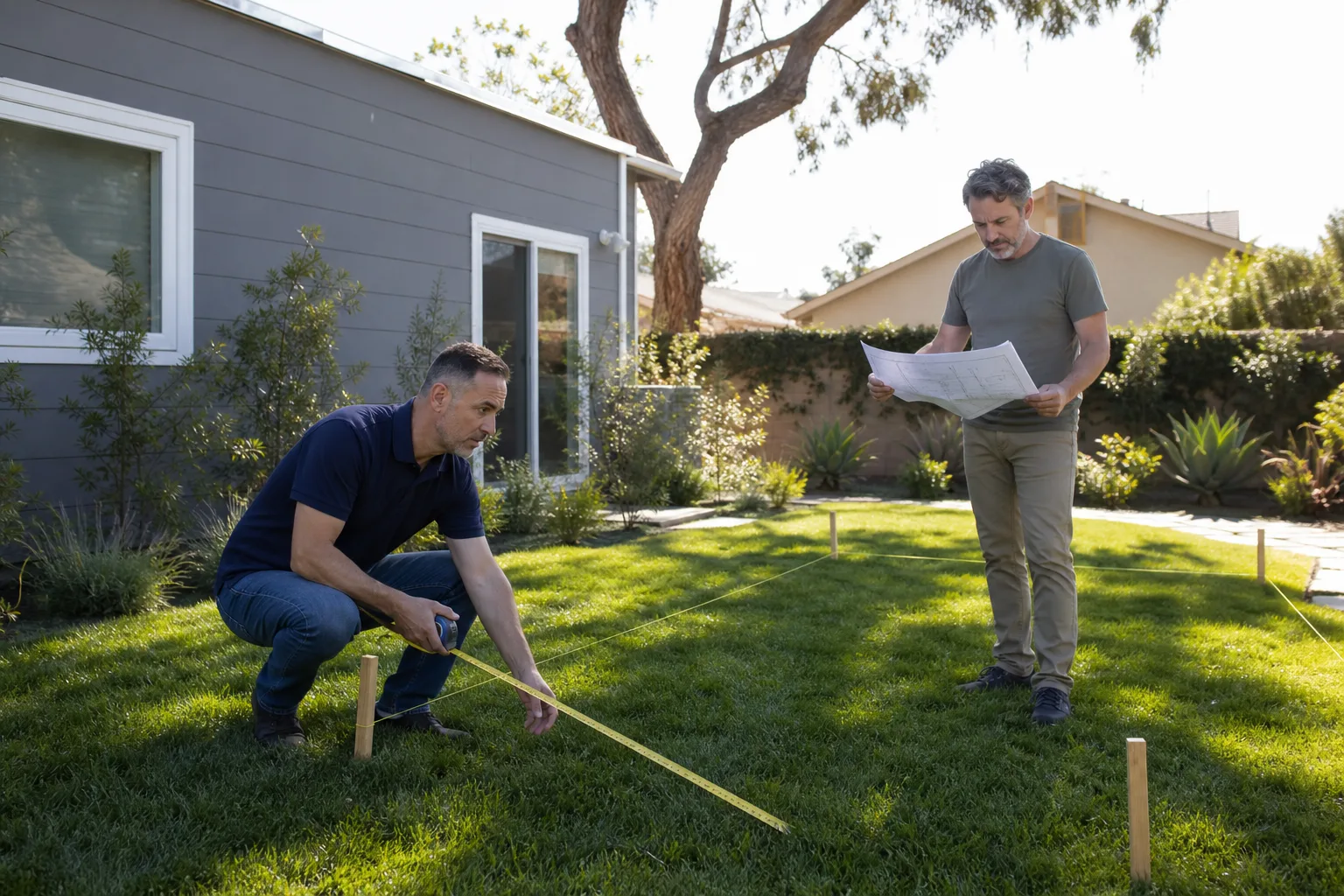
We stock and install Tuff Shed-compatible site prep materials and utility connection components across San Francisco, with most site prep jobs running $1,800 to $6,500 depending on slope, access, and what the existing ground is doing under your shed. If you’re reading this, chances are you either just took delivery of a Tuff Shed and realized the pad isn’t level, or you’ve had one for a few seasons and the base is shifting, water is pooling, or the electrical stub you planned to run is now a headache. The short version: we handle grading, gravel pads, concrete pads, pier-and-beam foundations, and utility rough-ins so your Tuff Shed sits square and stays dry.
You’ll see the problem before you hear about it. A door that drags on one corner. A floor that bounces. A visible gap under one wall. Rain that pools against the low side instead of running off. We fix all of it, and we price it in writing before the first shovel turns.
Which Tuff Shed Models This Applies To
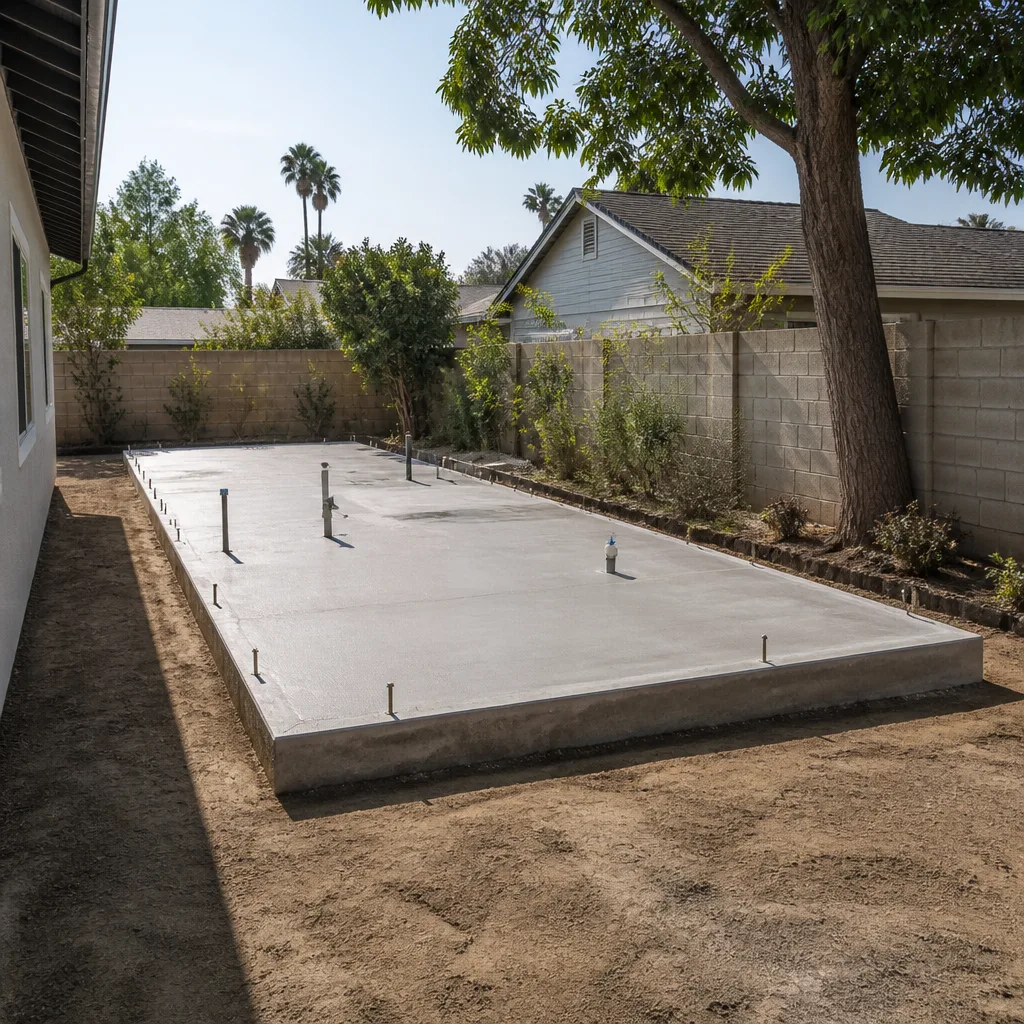
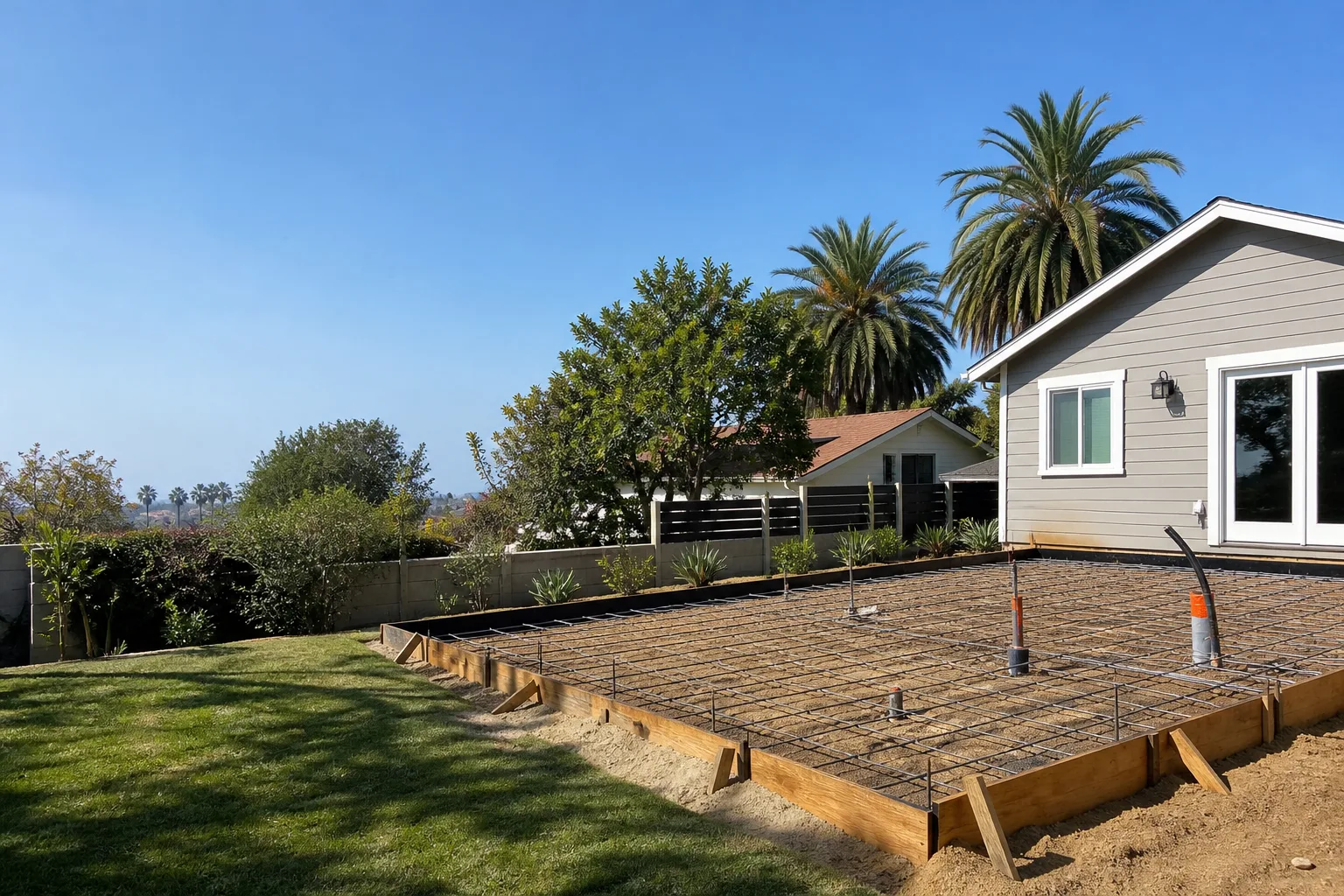
Every Tuff Shed that leaves a lot in San Francisco needs the same basic thing: a flat, drained, stable surface to sit on. Whether you bought a Premier Pro Studio, a Premier Tall Barn, or a smaller garden shed, the site prep requirements don’t change much, but the foundation specs do scale with the building size. Most residential Tuff Sheds in the 8×10 to 12×16 range work fine on a compacted gravel pad with pressure-treated perimeter timbers. Larger models, especially anything you’ll use as a workshop or office, usually justify a concrete pad or a pier-and-beam foundation.
Here’s the compatibility gotcha most owners miss: Tuff Shed’s warranty assumes the shed sits on a properly prepared, level surface. If the ground settles unevenly or water runs underneath the floor system, the warranty conversation gets uncomfortable fast. We see this constantly in San Francisco neighborhoods like the Sunset and Excelsior, where heavy clay soil expands and contracts through our wet winters and dry summers. The fix is always site prep before delivery, not after the floor joists start twisting.
For parts specifically, we’re talking pressure-treated foundation timbers, gravel base material, concrete forms, pier blocks, post bases, anchor hardware, and the conduit and pull boxes to get power out to the shed. OEM Tuff Shed foundation kits exist, but honestly, most of what Tuff Shed sells as “site prep” is standard treated lumber and hardware you can source locally to the same or better spec. We use materials that match or exceed Tuff Shed’s own recommendations, and we’ll show you the lumber grade and fastener schedule before we install anything. This matters in San Francisco’s corrosive marine air: fasteners need to be hot-dipped galvanized or stainless, not the cheap electro-plated stuff that rusts out in three seasons near the Bay.
Signs Your Tuff Shed Site Prep & Utilities Is Failing
- Doors drag or won’t latch at certain times of year. This is usually differential settling. One corner of the shed is dropping faster than the others, racking the door frame. In San Francisco’s clay-heavy hill neighborhoods, this is the classic first symptom. The underlying cause is almost always an undersized or uncompacted base, or water saturating the soil under one side.
- Water pools under or around the shed after rain. If you can see standing water against the floor frame or the base timbers are constantly damp, the pad lacks proper drainage. Left alone, this rots the floor system from below. The cause is typically a base that was set too low relative to surrounding grade, or a missing crushed-rock drainage layer.
- The floor bounces or feels spongy. Either the base material has eroded under parts of the shed, or the floor joists are starting to soften. This one gets worse in wet years. The common root cause is inadequate support spacing or wood-to-ground contact where there shouldn’t be any. Whatever the reason, water is involved somewhere it shouldn’t be.
- Power flickers or GFCI outlets trip constantly in the shed. If you ran electrical to your Tuff Shed and it’s been fine for years, then starts tripping, the problem is almost always moisture in the conduit or a strained connection at the stub. These sheds move more than most people expect, and the movement pulls connections loose over time. The immediate cause is humidity and temperature cycling inside the panels and boxes.
- Visible gaps between the base timbers and the shed floor. If you can slide a finger, shim, or daylight through anywhere along the bottom plate, the shed isn’t bearing evenly. This puts point loads on the flooring sheets and works fasteners loose. The cause: improper leveling at install time, or erosion since. Once the gap appears, it doesn’t correct itself, and it will keep opening up wider each season.
Replacement Cost & What’s Included
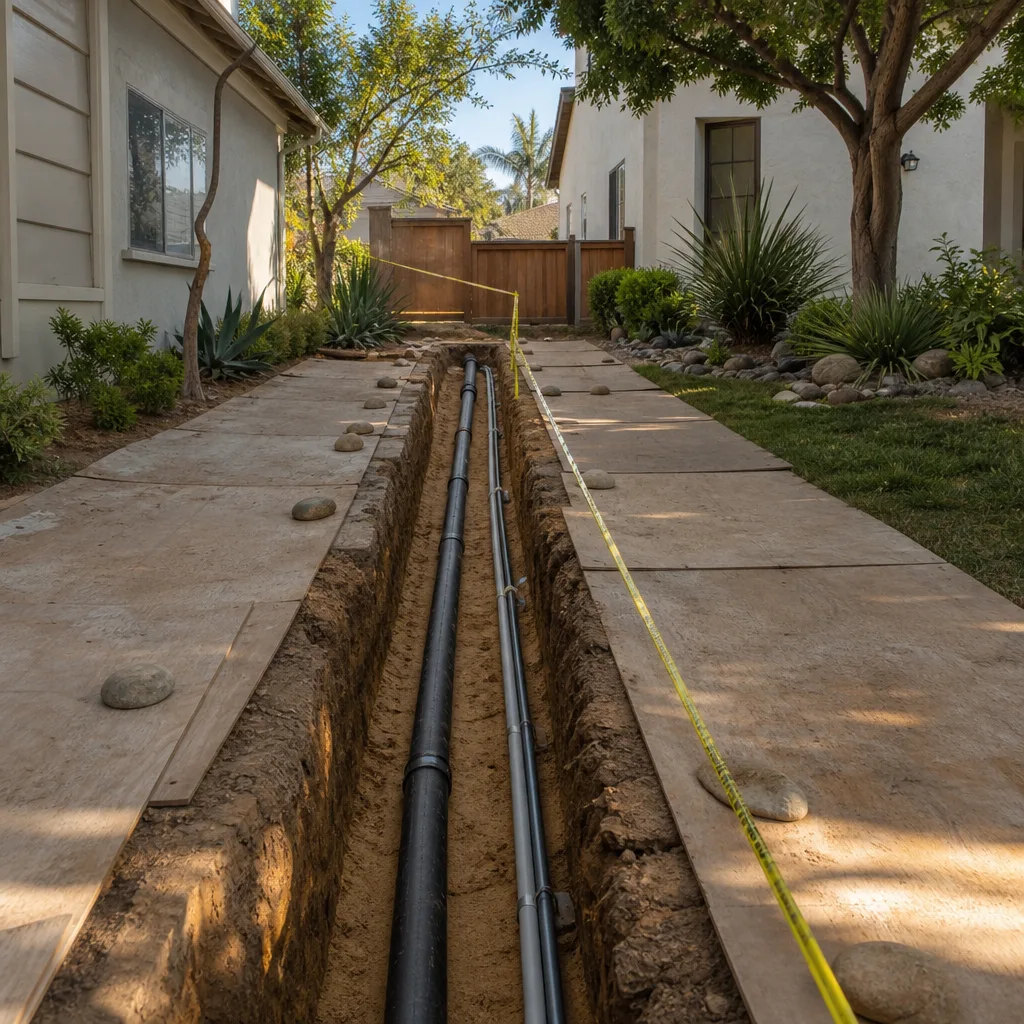
In San Francisco, expect to pay $1,800 to $4,200 for a gravel pad with pressure-treated perimeter and proper drainage on a relatively flat lot. If the site slopes more than a few inches over ten feet, or if we need to build up the low side with pier blocks or a small retaining edge, that shifts to $4,500 to $6,500. A full concrete slab for a larger Tuff Shed, poured and finished, usually lands between $5,500 and $9,000 depending on size, access, and rebar requirements. Utility rough-in work, like a buried 20-amp circuit with conduit, pull boxes, and a small outdoor panel, typically adds $1,200 to $2,800.
Every quote is a written, line-item price before work starts. That’s the only way we work. You’ll see the material costs, the labor, the permit fees if any apply, and the schedule. If the scope doesn’t change, the price doesn’t change. We also back all of it with our 365-Day Done Right Promise: if the site prep or utility work isn’t performing as specified within a full year, we come back and make it right. In writing, on every project, no verbal handshake needed.
DIY or Call Us?
There are a few things worth checking yourself before calling. Look for standing water after a rain and note where it’s pooling. Check for visible gaps under the shed. Look at whether the base material has eroded away anywhere. Those observations help us quote faster and more accurately. But actually re-leveling a Tuff Shed or correcting a failing base is not a weekend project. You’re lifting a structure, re-compacting the base, possibly resetting the entire floor frame. Get it wrong and the shed racks, the doors bind, and you’re redoing it in a year. If you’re dealing with anything electrical at the stub or panel, stop and call a licensed pro. Electricity near a moving outdoor structure is a serious fire risk. Call us at (424) 328-5746 and we’ll walk the site with you. The estimate is free, and so is the second opinion on what’s actually wrong.
FAQs
Properly installed site prep should last 15 to 25 years before needing significant work, even in San Francisco’s wet winters and dry summers. The key is the drainage layer underneath and keeping water moving away from the floor structure. When we see premature failures, it’s almost always because gravel was skipped, compacted poorly, or the pad was pitched toward the shed instead of away from it.
If your base is failing early, don’t patch it. Call (424) 328-5746 and we’ll tell you honestly what’s worth saving and what needs to be redone. Free estimate, no obligation.
Often yes, but it depends what’s failing. Erosion on one corner is usually a spot lift and re-compaction. A saturated base with rotted timber usually means replacing the perimeter and adding drainage. If the floor joists themselves are soft, that’s a bigger job. Most repairs are less than a full re-do, but you need someone to actually look before you know which path you’re on.
We’ll give you a straight answer and a written price either way. Call (424) 328-5746.
Most gravel pad and utility rough-in jobs run one to two working days. A concrete pad takes a bit longer because of the pour and cure time, usually one to two days of work plus a few days of curing before the shed goes on it. We’ll give you a specific schedule in writing when we quote.
Want a timeline for your exact site? Call (424) 328-5746 and we’ll come look.
Yes, we keep pressure-treated timbers, pier blocks, post bases, anchor hardware, crushed rock, and conduit on hand for most Tuff Shed site prep and utility rough-in jobs. For non-stock items we source locally within a day or two. Since we also work with Abodu, Cover, and Dvele projects across San Francisco, we keep our material suppliers close, which keeps your timeline short.
Call (424) 328-5746 with your shed model and lot address, and we’ll confirm what’s in stock for your job.
Written by Troy Eastman, Owner & Lead Builder, Benson ADU San Francisco at Benson ADU San Francisco, serving San Francisco and nearby areas.