James Hardie Site Prep & Utilities: The San Francisco Owner’s Guide
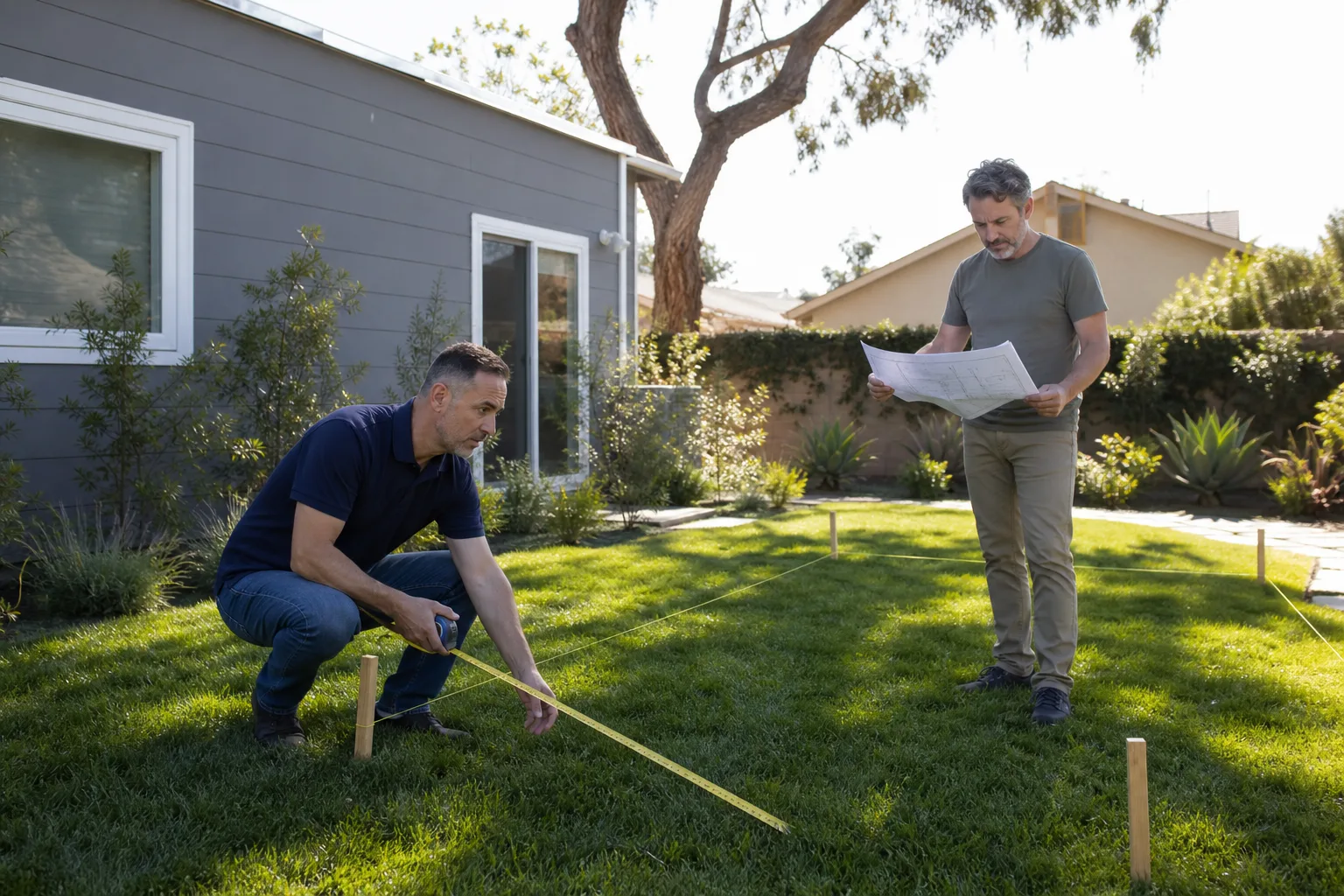
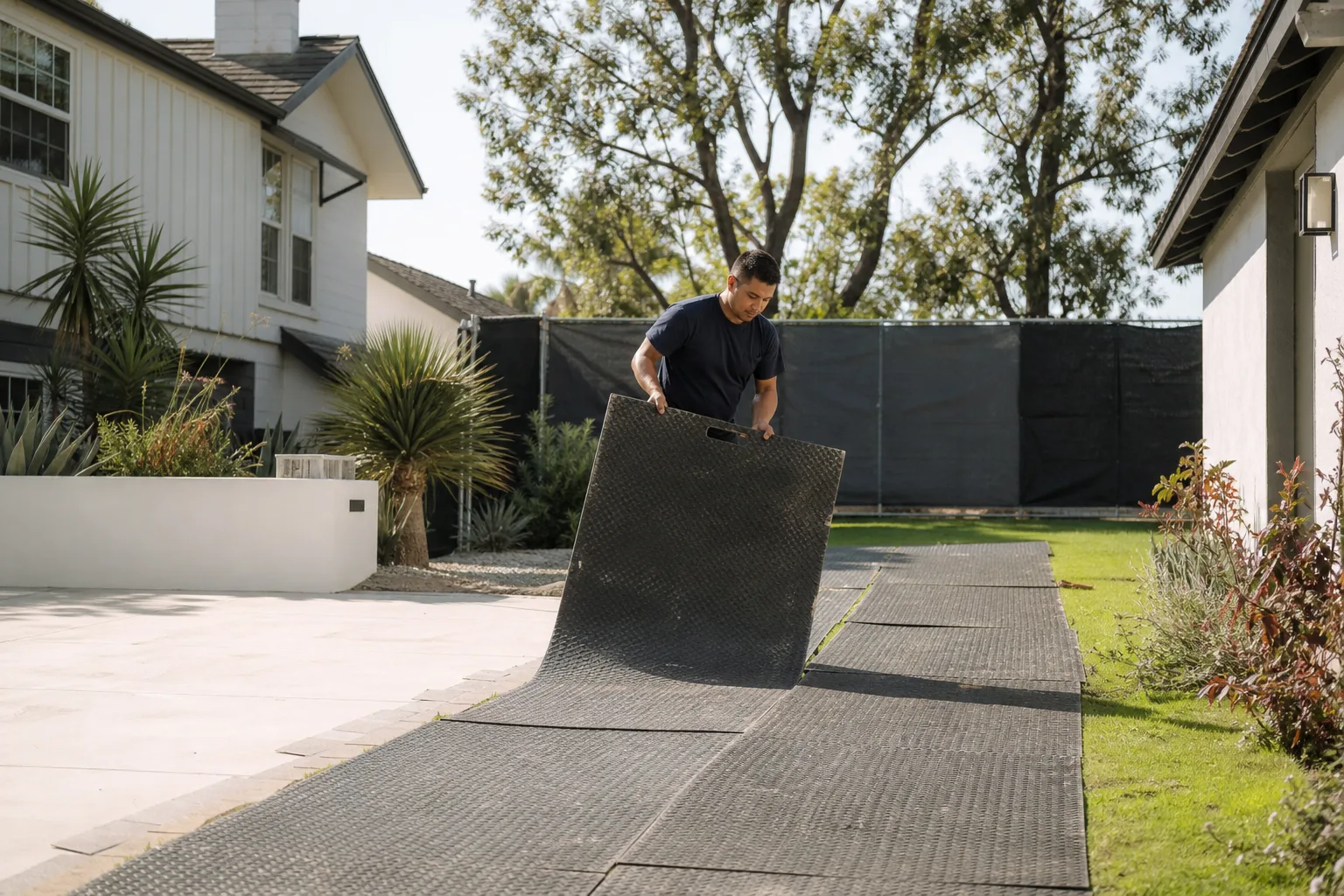
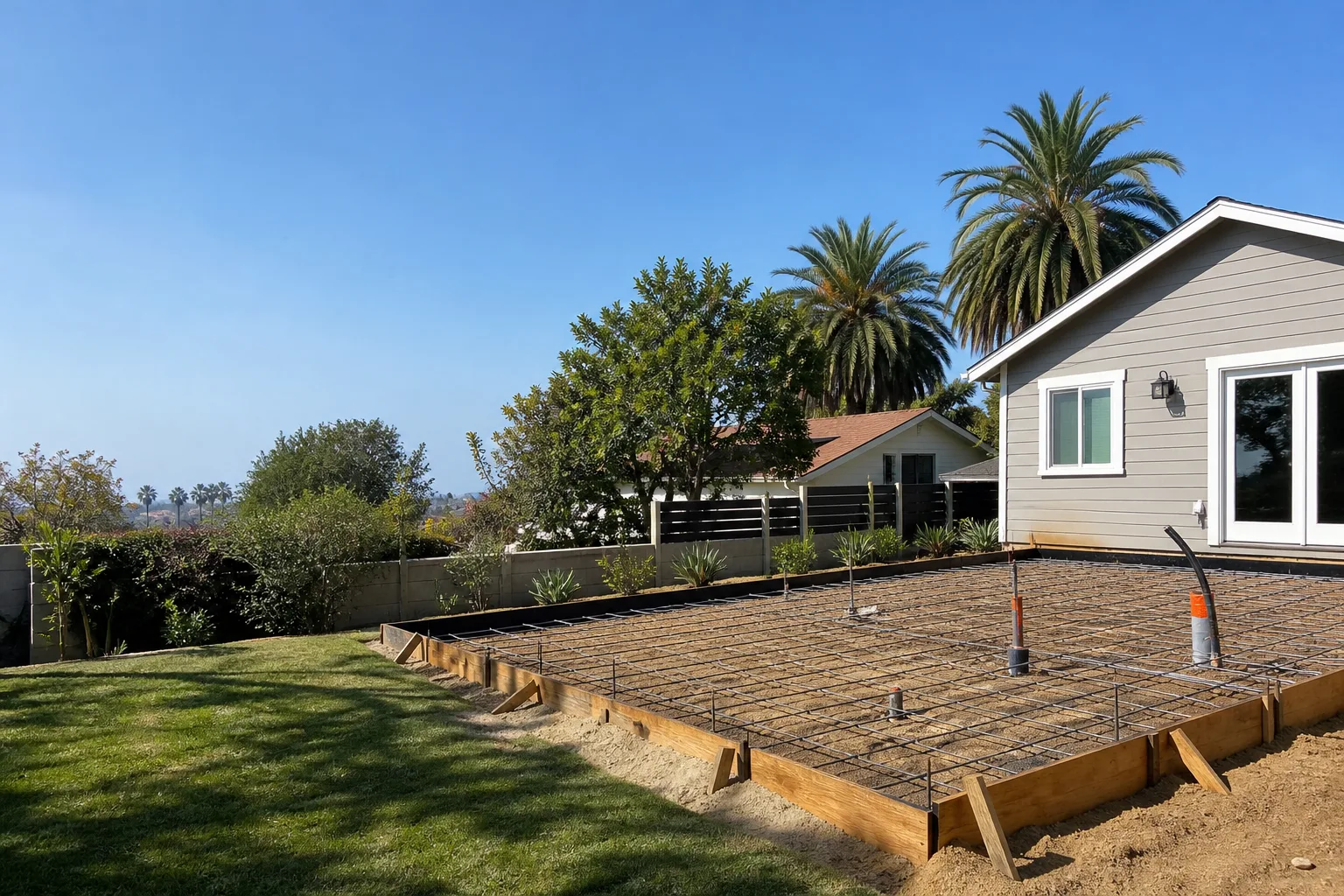
If you’re building or repairing a James Hardie-clad ADU or addition in San Francisco, site prep and utilities work typically runs $4,800 to $14,200 installed, depending on lot conditions, utility runs, and foundation requirements. We stock common James Hardie-compatible flashing, drainage, and utility chase components on our trucks, and most site prep and utility scopes are completed in 2 to 5 working days once permits clear. The way most San Francisco owners discover a problem is during demo or trenching: a water line is 6 inches from where the old records said it was, the sewer lateral has root intrusion, or the existing drainage plane behind the Hardie siding was never flashed correctly to begin with.
We’re an independent San Francisco contractor, not a James Hardie company, but we build with Hardie products every week and know exactly what the prep and utilities side demands before the first panel goes up.
Key Takeaways:
- Installed site prep and utilities for a James Hardie-clad ADU in San Francisco: $4,800 to $14,200
- Soil movement, fog-driven moisture, and older utility lines are the three big variables in this city
- We stock flashing, WRB, drainage mat, and utility sleeves from the brands matched to Hardie systems
- Written price before work starts, 365-Day Done Right Promise, and a live person on the phone around the clock
Which James Hardie Models This Applies To
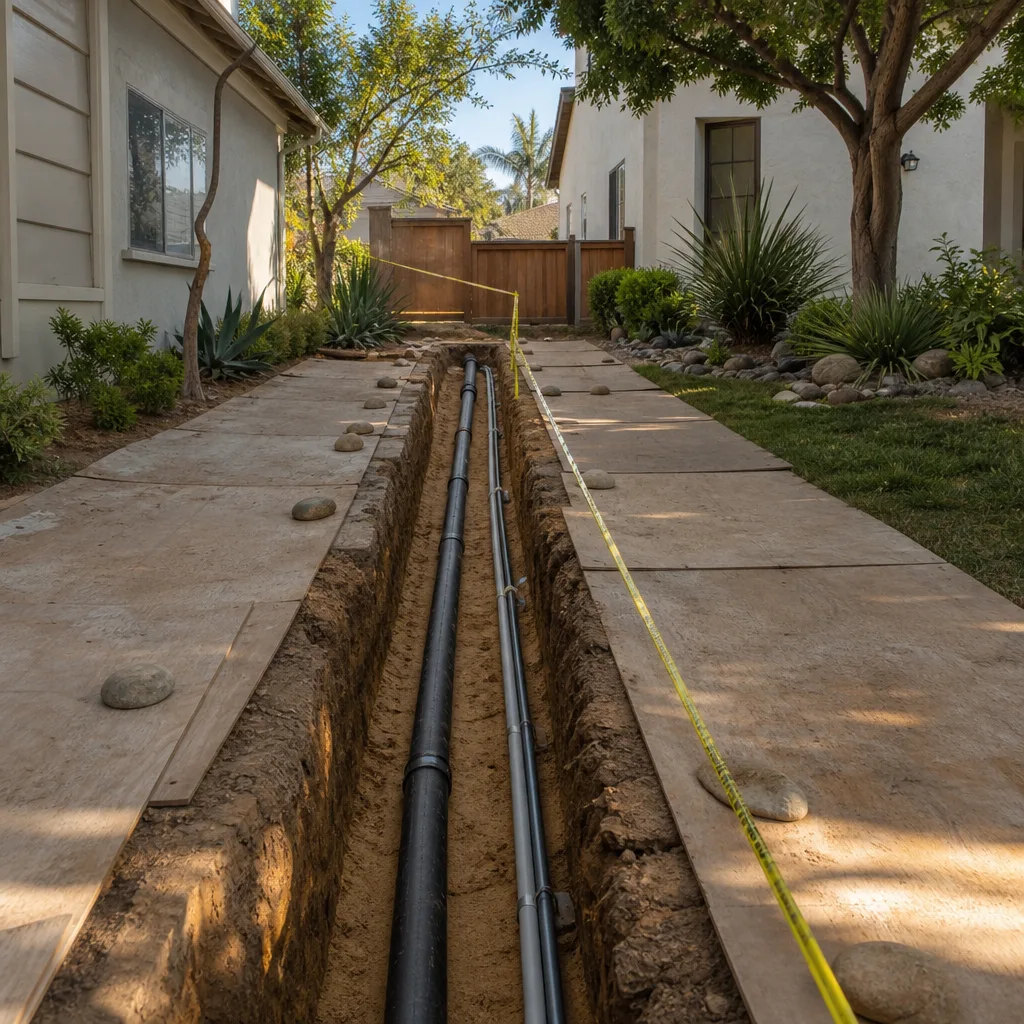
Site prep and utilities are about getting the building envelope and services right before James Hardie siding, trim, or panel products are installed. The compatibility question is less about the Hardie product itself and more about the system behind it: HardiePlank lap siding, HardiePanel vertical siding, HardieTrim boards, and HardieSoften panels all require a properly flashed, drained, and gapped installation plane. The prep work beneath them is what fails first, not the board itself.
Here’s the gotcha we see constantly in San Francisco: Hardie siding has specific clearance and gapping requirements at grade, at roof intersections, and around penetrations. If the utility penetrations (electrical service, hose bibs, gas risers, vents) are not located and sleeved to match the final siding plane, you end up cutting panels in awkward places or, worse, creating a moisture path behind the cladding. Before we touch the siding, we confirm the exact Hardie product line you’re using and run a penetration map so every utility stub-out lands where the siding wants it to land, not where the plumber guessed it would be.
On the OEM versus aftermarket question: Hardie does not manufacture site prep materials, so “OEM” in this context means the flashing, weather-resistant barrier (WRB), and drainage components that Hardie’s installation spec calls for. We stock proven brands like GCP, Benjamin Obdyke, and Tamlyn that meet or exceed Hardie’s published installation requirements. We do not substitute generic builder-grade flashing on a Hardie job, because the failure mode in a marine climate like San Francisco’s is quiet and expensive.
Signs Your James Hardie Site Prep & Utilities Is Failing
- Moisture staining at the bottom edge of Hardie boards or panels. This usually means ground clearance was too tight or kickout flashing was missing, and capillary action is pulling water up behind the siding. In San Francisco’s fog belt, this shows up on west-facing elevations first.
- Caulk cracking around utility penetrations within the first year. Hardie boards expand and contract with temperature swings, and if a penetration wasn’t gapped to spec, the caulk joint fails fast. A cracked seal at a hose bib or electrical mast is a direct water entry point.
- Water pooling against the foundation after rain. The lot drainage was never graded to move water away, or the footing drains are clogged with San Francisco’s clay-heavy soil. This saturates the foundation edge and wicks upward into the wall assembly.
- Sewer backups or slow drains after a new ADU is occupied. The existing lateral was never scoped before the new unit added load. In older San Francisco neighborhoods, cast iron laterals from the 1920s and 1930s are common and deteriorating.
- Electrical panel trips when the ADU’s heat pump or dryer runs. The service entrance was undersized for the added load, or the conduit run from the main panel to the ADU has undersized conductors. We flag this at the site prep stage so it never becomes a finished-wall problem.
Replacement Cost & What’s Included
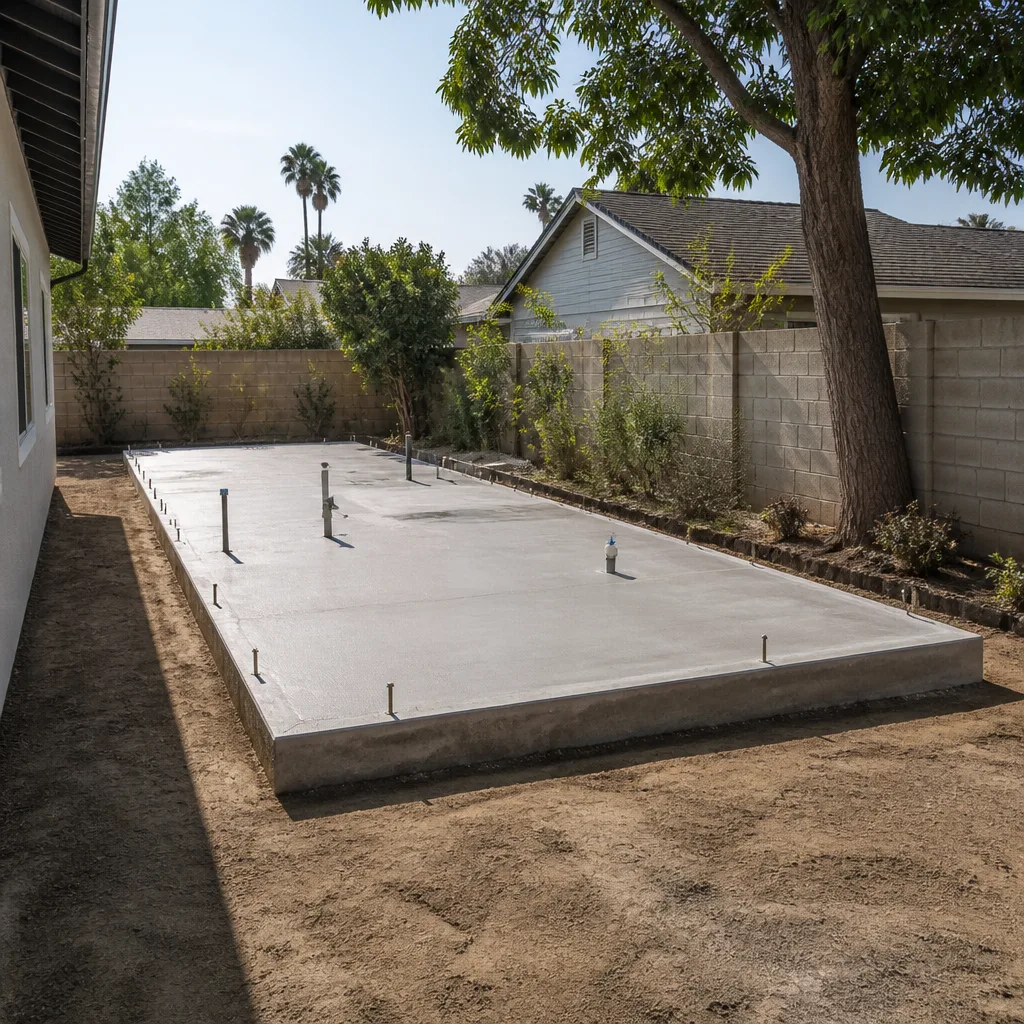
Here’s what we actually tell San Francisco homeowners when they ask for a ballpark on site prep and utilities. The range is wide because every lot here is different. A flat lot in the Sunset with a 60-year-old but functional sewer lateral is a very different job from a sloped lot in the hills with rocky excavation and a utility pole on the wrong side of the street.
| Scope Item | Typical Range (Installed) |
|---|---|
| Site grading and drainage correction | $2,800 – $6,500 |
| Sewer lateral repair or replacement | $3,500 – $9,800 |
| Water line extension to ADU | $1,200 – $3,400 |
| Electrical service upgrade or subpanel run | $2,400 – $6,800 |
| WRB, flashing, and drainage plane prep | $1,800 – $4,900 |
| Utility trenching and conduit | $60 – $140 per linear foot |
Every scope we write includes parts, labor, equipment, and haul-away. You get a written price before work starts, and that number does not move unless you change the scope. If a repair we make fails within 365 days, we return at no cost and make it right in writing. That’s the 365-Day Done Right Promise, and it’s stamped on every project we do in San Francisco.
DIY or Call Us?
Here’s the honest split. A homeowner can absolutely do their own visual inspection: walk the lot after rain and see where water pools, look for caulk cracks around penetrations, and check that soil doesn’t sit against Hardie boards or foundation edges. That’s useful information, and it’ll make your call to us faster and more productive.
What we’d tell you not to DIY is any trenching or utility work. Digging near San Francisco’s gas and electrical lines without utility locates and proper shoring is genuinely dangerous. A sewer lateral replacement that’s sloped wrong causes backups for years. Electrical undersizing inside a finished wall is a repair that costs triple what the original work did. These aren’t jobs where a YouTube video makes up for a missed spec. If the thought of re-trenching a sewer line sounds like a bad weekend, call us at (424) 328-5746 and we’ll put a written quote in front of you.
FAQs
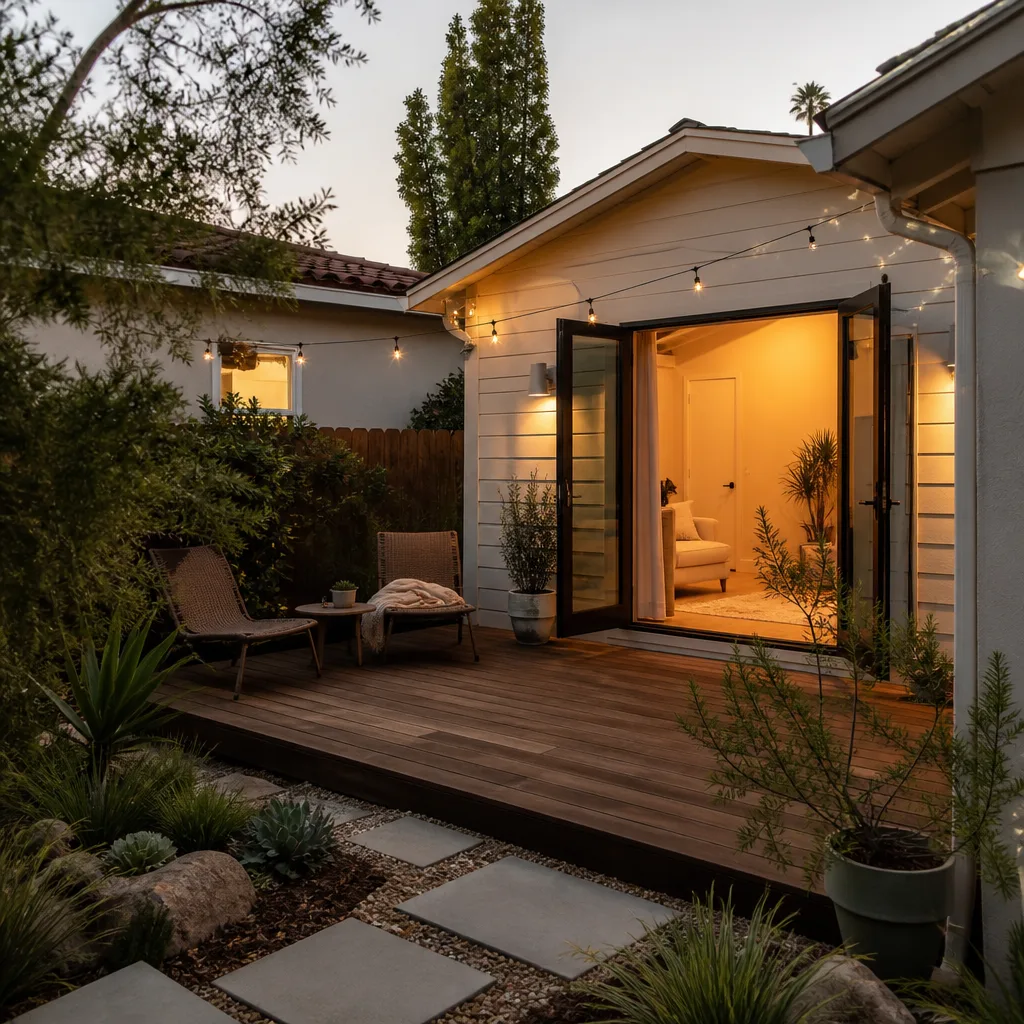
Done correctly, the drainage plane, flashing, and utility runs behind a James Hardie installation should last 30 to 50 years in San Francisco. The weak points are sewer laterals (20 to 40 years depending on material and tree root pressure) and any caulk joints at penetrations, which need inspection every 3 to 5 years. If your Hardie siding is failing in under a decade, the problem is almost always the prep behind it, not the board itself. Call (424) 328-5746 and we’ll diagnose it.
Much of it can be spot-repaired: a failed kickout flashing can be corrected in a day, a clogged footing drain can often be flushed and sleeved rather than excavated, and individual penetration seals can be redone. Full replacement is only necessary when the WRB itself is compromised, the sewer lateral has collapsed, or the electrical service is undersized for the load. The cheapest way to find out which situation you’re in is a site visit with a written report and a firm price, not speculation. Estimates are free.
Most San Francisco jobs take 2 to 5 working days of on-site time once permits are in hand and utility locates are done. Sewer lateral replacement and electrical service upgrades add time because PG&E and SFDPW inspections run on their own schedules. We give you a real timeline in writing before we start, and you can track progress through our project updates rather than wondering what’s happening. Call (424) 328-5746 and we’ll lay out a schedule for your specific lot.
We stock flashing, WRB, drainage mat, sealant, and utility sleeves on our trucks, matched to the Hardie product lines we install most in San Francisco. Specialty components like custom-fabricated metal flashing or a specific sewer lateral valve get ordered with a 2 to 4 day lead time. We’ll tell you at the quote stage which parts are on-hand and which have a wait, so there’s no mystery about why a job starts when it starts.
If you’re planning a James Hardie-clad ADU or addition in San Francisco, or you’ve got a failing site prep or utility situation on an existing one, call (424) 328-5746 for a free estimate. You’ll get a written price, a real project timeline, and a 365-day commitment: price it in writing, build it right, no surprises.
Written by Troy Eastman, Owner & Lead Builder, Benson ADU San Francisco at Benson ADU San Francisco, serving San Francisco and nearby areas.