Last updated October 15, 2026
DIY vs Professional ADU: The San Francisco Homeowner’s Decision Guide
A San Francisco homeowner can legally pull an owner-builder permit and construct their own ADU. The city won’t stop you. But here’s what nobody tells you until it’s too late: when you try to refinance or sell that home five years later, the same ADU can trigger a lender appraisal flag that wipes out more than whatever you saved on labor. This guide walks through the real decision, not the weekend-warrior fantasy version. You’ll learn what California’s owner-builder rules actually require, which tasks are genuinely safe to self-perform, what lenders and insurers look for, and where the hybrid model makes sense in San Francisco.
Quick Answer
For most San Francisco homeowners, a professional design-build ADU is the financially safer route, not because DIY is impossible, but because owner-builder permit restrictions, financing hurdles, and resale appraisal risk can erase $80,000 or more in equity down the line. DIY savings on an ADU typically range from $40,000 to $90,000 in labor, yet the hidden costs of extended timelines, failed inspections, and lender-required repairs often exceed that amount. The practical sweet spot for many is a hybrid approach: a licensed contractor handles permits, foundation, framing, and trade work, while you handle finish items like painting, landscaping, and cabinetry install. For what to tackle when, see our ADU Builders Maintenance Checklist for San Francisco Homeowners.
Table of Contents
- California’s Owner-Builder Rules: What San Francisco Actually Allows
- Which ADU Tasks Are DIY-Eligible and Which Require a Licensed Trade
- How Lenders, Insurers, and Buyers Treat Owner-Built ADUs
- The Three Hidden Costs of DIY That Nobody Quotes Up Front
- The Hybrid Model: Professional Build with Owner-Managed Finishes
- Real Cost Comparison: DIY vs Professional in San Francisco
- Common Mistakes to Avoid
- When to Call a Professional
- Frequently Asked Questions
California’s Owner-Builder Rules: What San Francisco Actually Allows
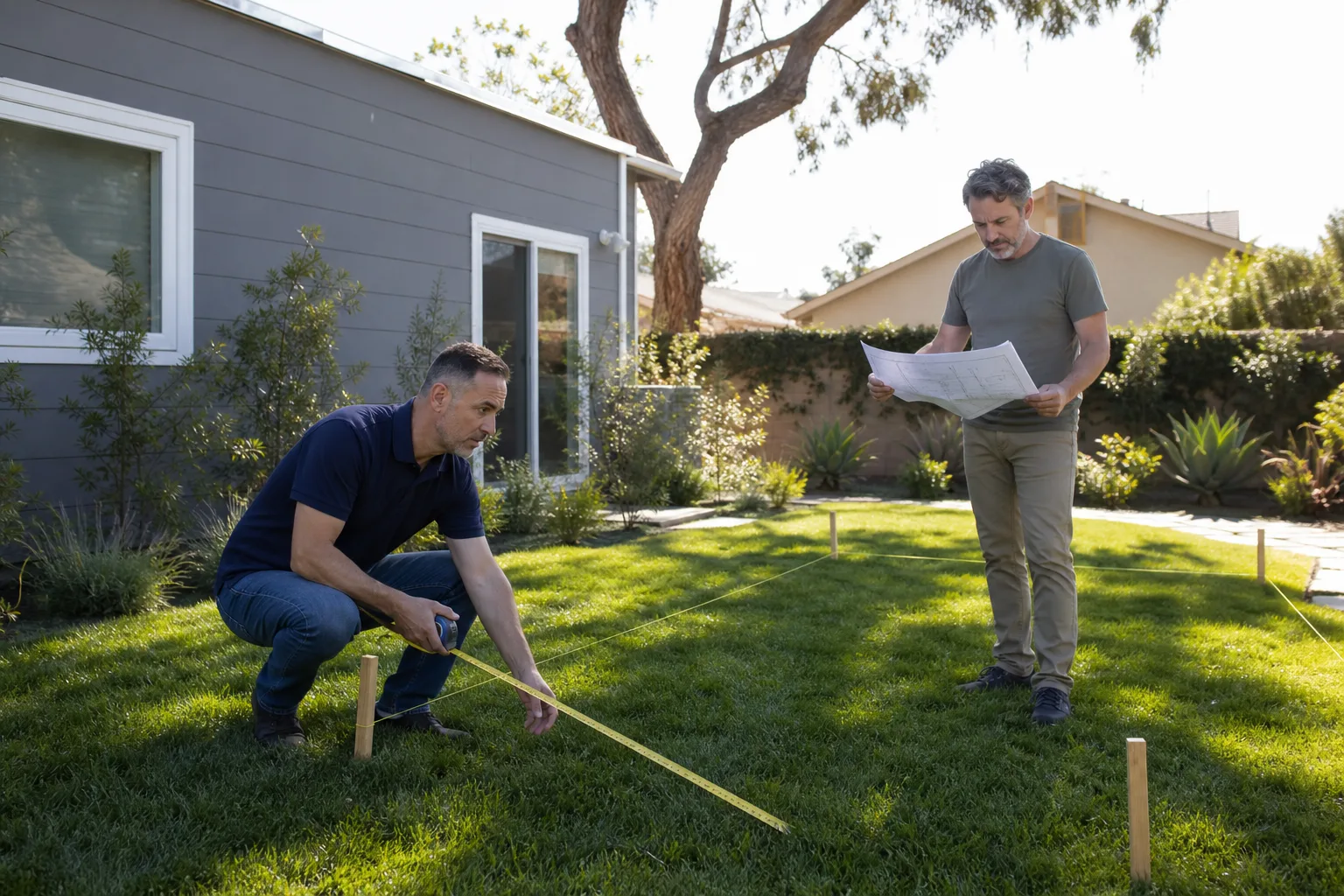
California Business and Professions Code Section 7044 lets a homeowner act as their own contractor on their primary residence. In San Francisco, that means you can pull an owner-builder permit for an ADU on a property you occupy. But the rules change fast once you move beyond a single-family owner-occupied situation. If the property is not your primary residence, or if you plan to sell within five years, the owner-builder option largely evaporates.
The Department of Business and Professional Regulation (DBPR) and the Contractors State License Board (CSLB) treat owner-builder work differently depending on intent. If the ADU is built for rental income, which is the motivation for a huge share of San Francisco ADUs, the construction is considered commercial in nature. You cannot legally self-perform electrical, plumbing, or structural work on a rental-intent ADU without a valid trade license in that discipline.
The Disclosure Form That Follows the Property
When you sell a home with an owner-built ADU, California law requires a specific disclosure under B&P Code 7044. You, the seller, must disclose that the ADU was owner-built within the past five years. That single disclosure form is where deals stall. Buyers’ lenders will often require a structural inspection by a licensed engineer before approving a loan on the property. In a city where the median single-family home sits above $1.4 million, any appraisal condition becomes a negotiation weapon for buyers.
In our experience working across San Francisco, we’ve seen owner-built ADUs in Sunset, Outer Mission, and Excelsior hit appraisal snags not because the workmanship was poor, but because the permit history showed owner-builder status and the lender wanted a third-party structural sign-off before funding. That sign-off costs between $1,500 and $5,000 and adds weeks to escrow. Sometimes it kills the deal entirely.
What San Francisco’s Department of Building Inspection Requires
- Owner-builder permits are only valid for work the homeowner will personally occupy after completion, with limited exceptions.
- Electrical work on an ADU requires either a licensed C-10 electrical contractor or a homeowner electrical permit with a signed declaration of competency, which the city reviews case by case.
- Plumbing and gas line work requires a licensed C-36 plumbing contractor. DIY gas line connections are simply not permitted.
- Structural changes, including foundation work, shear wall installation, and roof framing, require an engineer-stamped plan set regardless of who builds it.
- All owner-builder work is subject to the same inspection schedule as licensed contractor work, with no grace period on corrections.
The permit process itself in San Francisco typically runs 4 to 8 months for an ADU, whether owner-built or contractor-built. That part doesn’t get faster with DIY. What changes is the inspection failure rate. Licensed crews who work in the city every week know the inspectors and the local code interpretations. Owner-builders typically fail first-round inspections at two to three times the rate, and each re-inspection carries a fee and a scheduling delay.
Which ADU Tasks Are DIY-Eligible and Which Require a Licensed Trade
Here’s the honest split. There are tasks on an ADU build where a competent homeowner can genuinely save money without creating future liability. There are other tasks where self-performing is not just risky, it’s legally prohibited and will void your homeowners insurance coverage if something goes wrong.
Genuinely DIY-Eligible Tasks in San Francisco
- Interior painting – Zero permit required, zero structural risk. This is the easiest place to save $4,000 to $8,000 on a 600 square foot ADU.
- Landscaping and hardscape – San Francisco’s drought-tolerant landscaping rules are published and easy to follow. Removing lawn, adding decomposed granite, planting natives: all DIY-friendly.
- Cabinetry installation – If you buy pre-fabricated or RTA (ready-to-assemble) cabinets, installation doesn’t require a trade license. Expect to save $3,000 to $6,000 compared to custom cabinet installers.
- Interior trim and baseboard – Finish carpentry that doesn’t touch the structure is DIY-appropriate.
- Weatherstripping and insulation batting – Once the framing inspection passes, fiberglass batting in non-permitted areas is fine.
Tasks That Require a Licensed Trade – No Exceptions
- Electrical panel upgrades or new subpanels – San Francisco still has thousands of homes with 60-amp and 100-amp panels. An ADU almost always requires a panel upgrade. That’s C-10 licensed work. DIY here is not a money-saver; it’s an insurance voidance and a fire hazard.
- Gas line installation or extension – C-36 licensed plumber required. Gas line work done without a permit and license voids coverage and, in the event of a leak, becomes a criminal liability question.
- Structural framing, foundation, and shear wall installation – San Francisco’s seismic retrofit requirements for ADUs are strict. This work requires engineered plans and, practically speaking, a crew that has done this exact work in this exact soil type many times.
- Roofing and waterproofing – A roofing failure on an ADU that damages the primary structure is a five-figure problem. The C-39 roofing license exists for a reason.
- Plumbing rough-in and drain line work – Below-slab drain work that fails inspection or leaks later means cutting into the foundation to fix. That’s not a homeowner repair.
The pattern here is clear: the tasks that are safe to self-perform are finish-level. The tasks that carry the financial risk are system-level. ADU Builders in San Francisco regularly take over projects where an owner-builder got through framing and then realized the electrical and plumbing requirements were beyond what the city would approve under an owner-builder permit.
How Lenders, Insurers, and Buyers Treat Owner-Built ADUs
This is the section that most DIY guides skip entirely, and it’s the section that matters most in San Francisco. The question isn’t “can you build it?” The question is “what happens when you need to borrow against it, insure it, or sell it?”
Lenders: The Appraisal Flag
Fannie Mae and Freddie Mac guidelines allow ADUs to be counted as part of the property’s appraised value, but the appraisal process gets complicated when the ADU was owner-built. Appraisers are instructed to verify that work was done by licensed professionals or that the owner-builder disclosure has expired. Within the first five years, an owner-built ADU on a property going through a refinance or sale will typically trigger a “subject-to” condition: the loan goes through only after a licensed structural engineer and a licensed electrician both sign off on the existing work.
That sign-off process in San Francisco costs $2,000 to $6,000 in professional fees and can add three to six weeks to a refinance timeline. If the engineer finds work that doesn’t meet code, which happens frequently with owner-built electrical panels and shear wall nailing patterns, the repair cost lands on the seller. We’ve seen a single missed nailing schedule correction cost $12,000 in labor and materials on an Outer Sunset ADU.
Insurers: Coverage Gaps You Don’t Discover Until a Claim
Most San Francisco homeowners don’t realize their standard HO-3 policy has a specific exclusion for work performed by the homeowner on a separate dwelling unit. If the ADU is owner-built and a plumbing leak causes $40,000 in damage to the main house, the insurer can and will deny the claim if the plumbing work was self-performed without a license. The exclusion is usually not in the declarations page you get at renewal. It’s buried in the policy’s exclusions section under “workmanship” and “self-performed construction.”
Even when owner-built work is done well, the insurance carrier typically requires a higher premium for the ADU during the first five years. In San Francisco, where replacement cost coverage already runs high, that premium bump can be $800 to $2,000 per year until the work ages out of the elevated risk window.
Buyers: The $80,000 Resale Discount
Here’s the number that matters. In San Francisco’s market, an owner-built ADU on a property listed for sale within five years of construction routinely sells for less than a comparable property with a contractor-built ADU. The discount ranges from $40,000 on the low end to over $100,000 on the high end, depending on the neighborhood and the buyer’s financing situation. The median we’ve observed across Sunset, Richmond, Bernal Heights, and Glen Park is around $80,000.
Why the discount? Because buyers’ agents flag owner-built structures early in negotiations. The buyer’s lender may add conditions. The buyer knows they will inherit the five-year disclosure window. The discount is not a judgment on workmanship. It’s a pricing of uncertainty. Professional-built ADUs from established firms eliminate that uncertainty and buyers pay for the disclosure being clean.
The Three Hidden Costs of DIY That Nobody Quotes Up Front
The headline savings on owner-builder ADUs in San Francisco is real: $40,000 to $90,000 in labor. A 600 square foot one-bedroom ADU that costs $320,000 to $400,000 with a licensed general contractor can be built for $230,000 to $300,000 as an owner-builder project, if everything goes well. But “if everything goes well” is doing a lot of work in that sentence. Here are the three costs that eat the savings.
1. Extended Timeline: 12 – 18 Months vs 6 – 9 Months
A professional design-build firm in San Francisco can take an ADU from permit submittal to final inspection in 6 to 9 months. The same project completed as an owner-builder typically runs 12 to 18 months. The difference is not skill. It’s sequencing. Professional crews work off a build schedule with trade subcontractors booked in advance. Owner-builders wait for inspections, resubmit corrections, wait for the next available inspection slot, and try to coordinate trades who prioritize their steady contractor clients over one-off homeowner jobs.
That extra 6 to 12 months carries a direct cost. If the ADU would rent for $2,800 to $3,500 per month in San Francisco, which is the current market rate for a one-bedroom in neighborhoods like Inner Sunset or Mission Terrace, the lost rental income during the extended timeline is $16,800 to $42,000. That’s real money, and it comes straight out of the DIY savings.
2. Permit Re-Inspection Fees and Failed Work Corrections
San Francisco’s Department of Building Inspection charges re-inspection fees that range from $250 to $450 per visit, depending on the scope. Owner-builders typically require 40% to 60% more inspections than licensed contractors because first-round failures are higher. On a project that might involve 15 to 20 inspections, that’s an extra $1,500 to $4,000 in fees alone.
Worse is the correction cost. When an inspector fails an owner-builder’s electrical rough-in because the panel labeling doesn’t match the submitted plan, or because a junction box is inaccessible, the correction often requires opening up finished work. One failed inspection on a covered wall can cost $2,000 to $5,000 in re-work and materials. Licensed electricians and plumbers rarely fail these inspections because they know what the San Francisco inspectors look for.
3. Opportunity Cost of Lost Rental Income During Do-Over Work
This is the one nobody models. When a DIY ADU fails inspection and needs correction, the timeline doesn’t just pause. The rental income that would have started on day 270 now starts on day 540. Every month of delay beyond the professional timeline is $2,800 to $3,500 in rent San Francisco landlords are not collecting. Over a six-month overrun, that’s $16,800 to $21,000 in forgone income.
Add up the three hidden costs: extended timeline lost rent ($16,800 to $42,000), inspection fees and corrections ($3,500 to $12,000), and the resale discount ($40,000 to $100,000). The total ranges from $60,300 to $154,000. The DIY savings range from $40,000 to $90,000. The math, more often than not, does not favor the owner-builder in San Francisco.
The Hybrid Model: Professional Build with Owner-Managed Finishes
There is a third path that more San Francisco homeowners are taking, and it deserves a clear explanation. The hybrid model splits the project between a licensed design-build firm and the homeowner’s own labor. The contractor handles everything that touches permits, structure, and systems. The homeowner handles finish trades that require no license and carry no long-term liability.
Here’s what a hybrid ADU build looks like in San Francisco:
- A licensed general contractor pulls permits, manages the schedule, and completes foundation, framing, roofing, electrical, plumbing, and mechanical work. This typically runs $220,000 to $280,000 on a 600 square foot ADU.
- The homeowner takes over after drywall installation and handles interior painting, cabinetry installation, trim work, and landscaping. This saves $8,000 to $15,000 in labor compared to the full-service professional route.
- The contractor returns for the final inspection walk-through and signs off on the completed project, keeping the permit history clean.
The hybrid model typically saves $10,000 to $20,000 versus a full professional build, without triggering any of the owner-builder disclosure issues. The permit is contractor-held. The lender sees a licensed professional on the permit history. The buyer gets a clean disclosure. And the homeowner gets the satisfaction of genuinely contributing to the build, plus a number they can point to as real savings.
This is the model we recommend most often to clients who want to be involved but also want to protect their San Francisco property value. You get the financial security of a professional build and the sweat equity of doing the finish work yourself. It’s not the biggest savings possible, but it’s the safest savings available.
For homeowners considering this route, the key is finding a contractor willing to structure the contract this way. Some firms won’t split scope because they want control over the full build. Others, including Benson ADU San Francisco home projects, are set up to hand off finish trades cleanly with a written scope document that identifies exactly which line items stay with the contractor and which move to the homeowner.
Real Cost Comparison: DIY vs Professional in San Francisco
Numbers matter. Here’s the honest cost picture for a 600 square foot, one-bedroom, one-bath ADU in San Francisco as of current pricing.
| Cost Category | Full DIY (Owner-Builder) | Hybrid Model | Full Professional |
|---|---|---|---|
| Permits and fees | $18,000 – $25,000 | $18,000 – $25,000 | $18,000 – $25,000 |
| Design and engineering | $15,000 – $25,000 | $15,000 – $25,000 | $15,000 – $25,000 |
| Site work and foundation | $40,000 – $65,000 | $40,000 – $65,000 | $40,000 – $65,000 |
| Framing and structural | $35,000 – $60,000 | $35,000 – $60,000 | $35,000 – $60,000 |
| Electrical (licensed) | $18,000 – $30,000 | $18,000 – $30,000 | $18,000 – $30,000 |
| Plumbing (licensed) | $15,000 – $25,000 | $15,000 – $25,000 | $15,000 – $25,000 |
| Roofing | $12,000 – $20,000 | $12,000 – $20,000 | $12,000 – $20,000 |
| Drywall and insulation | $10,000 – $18,000 | $10,000 – $18,000 | $10,000 – $18,000 |
| Finish trades (paint, trim, cabinets) | $8,000 – $15,000 (self-performed) | $8,000 – $15,000 (self-performed) | $25,000 – $40,000 (contractor-performed) |
| Flooring | $6,000 – $12,000 | $6,000 – $12,000 | $8,000 – $15,000 |
| Fixtures and appliances | $10,000 – $18,000 | $10,000 – $18,000 | $10,000 – $18,000 |
| General contractor overhead and profit | $0 | $30,000 – $45,000 | $45,000 – $65,000 |
| Total range | $227,000 – $313,000 | $257,000 – $358,000 | $281,000 – $406,000 |
These are current San Francisco market ranges. Site conditions, soil, access, and scope changes move these numbers. A hillside lot in Glen Park or a mid-block lot with narrow access in the Marina will run higher. A flat, standard lot in the Outer Sunset or Excelsior will run toward the lower end of each range.
The headline takeaway: full DIY saves roughly $54,000 to $93,000 versus full professional. The hybrid model saves $24,000 to $48,000 versus full professional. The question is whether those savings survive contact with the hidden costs outlined above. More often than not, the hybrid savings do survive. The full DIY savings frequently don’t.
If you’re adding a larger footprint beyond the ADU itself, home addition contractors in San Francisco deal with the same trade-offs on additions, where the owner-builder disclosure rules are identical but the dollar figures are larger.
Common Mistakes to Avoid
- Pulling an owner-builder permit while planning to sell within five years. The B&P Code 7044 disclosure requirement doesn’t expire just because the work was done well. If a sale is even possible within five years, the owner-builder restriction should be a dealbreaker.
- Self-performing electrical work without a signed competency declaration. San Francisco inspectors check for this. If the declaration isn’t on file, the inspection fails on the spot, and the correction requires hiring a licensed electrician to review and sign off on all previous work, which costs $2,000+ just for the review.
- Closing up walls before the rough-in inspection. This happens constantly with owner-builders who are eager to see progress. In San Francisco, covered work without an approved inspection means opening the wall back up. Drywall removal, re-inspection, and re-drywall cost $3,000 to $8,000 per room.
- Assuming prefab means DIY-simple. Prefab ADUs from brands like Abodu, Cover, and Dvele reduce on-site construction time significantly, but they still require foundation work, utility connections, and crane placement handled by licensed professionals. The prefab savings come from faster timelines, not from self-installation.
- Ignoring the insurance exclusion for self-performed work. San Francisco homeowners who self-perform plumbing or electrical on an ADU and later file a water damage or fire claim can face claim denial. The savings on labor evaporate the first time the exclusion is invoked.
- Budgeting for the permit but not the school district fees and impact fees. San Francisco assesses ADU impact fees through the city and school district. Owner-builders routinely under-budget these by $5,000 to $12,000 because the fee schedules are not intuitive and the city doesn’t surface them until plan check.
- Starting the project without a written scope document. Whether you go DIY, hybrid, or professional, a written scope from day one is what prevents the project from ballooning. This applies to your own labor as much as a contractor’s.
When to Call a Professional
There are situations where the DIY path should be off the table entirely. If your San Francisco lot has slope, soil issues, or limited access, the foundation and structural work is not a place to save money. If your home still has a 60-amp or 100-amp panel, the electrical upgrade is licensed work, period. If you plan to sell or refinance within five years, the owner-builder disclosure and lender appraisal risk wipe out the DIY savings. If you want the ADU ready to rent within a year, a professional timeline is the only realistic path. And if you want someone to answer the phone when an issue comes up during construction, a licensed contractor with a live support line is the difference between a two-day answer and a two-week stall. Benson ADU San Francisco offers free estimates in San Francisco. Call (424) 328-5746 to get a written price before any work starts.
Frequently Asked Questions
Yes, you can pull an owner-builder permit for an ADU on a property you occupy as your primary residence in San Francisco, but you cannot legally self-perform electrical, plumbing, gas, or structural work without the relevant trade license or a signed competency declaration the city accepts. For rental-intent ADUs, the owner-builder path is effectively closed because the work is considered commercial construction.
A 600 square foot ADU in San Francisco runs roughly $227,000 to $313,000 as a full owner-builder project, versus $281,000 to $406,000 with a full professional design-build firm, a spread of $54,000 to $93,000 in labor savings before hidden costs. Once you factor extended timeline lost rent, inspection corrections, and the resale discount, the real savings frequently shrink to zero or negative. Call (424) 328-5746 for a written price on your specific San Francisco property.
California Business and Professions Code Section 7044 requires any homeowner who acted as their own contractor on a project to disclose that fact to a buyer if the property is sold within five years of completion. The disclosure triggers additional lender scrutiny during the buyer’s financing process, often requiring a structural engineer’s sign-off before the loan closes.
Interior painting, landscaping, cabinetry installation, trim work, insulation batting, and flooring installation are all DIY-eligible tasks in San Francisco with no license required. Electrical, plumbing, gas, structural, and roofing work all require a licensed trade professional and should never be self-performed, both for safety and insurance reasons.
Most standard HO-3 policies in California exclude damage caused by self-performed work on a separate dwelling unit. If your owner-built ADU’s plumbing leaks and damages the main house, the insurer can deny the claim based on the self-performed construction exclusion, even if the work itself was done correctly.
No. Prefab ADUs from brands like Abodu, Cover, and Dvele simplify on-site construction and shorten timelines, but they still require foundation work, utility hookups, and site preparation done by licensed professionals in San Francisco. The prefab advantage is speed and factory quality control, not a bypass around the permitting or trade licensing system.
A professional design-build firm in San Francisco typically delivers a finished ADU in 6 to 9 months. An owner-builder on the same project typically needs 12 to 18 months. The gap comes from inspection scheduling, correction cycles, and trade coordination, not raw building speed. That 6 to 12 month difference costs $16,800 to $42,000 in lost rental income at current San Francisco market rates.
Yes, the owner-builder permit restrictions and B&P Code 7044 disclosure requirements apply identically to room additions and home additions in San Francisco. If you’re considering a room addition in San Francisco, the same financing, insurance, and resale considerations apply to any self-performed work.
The Bottom Line
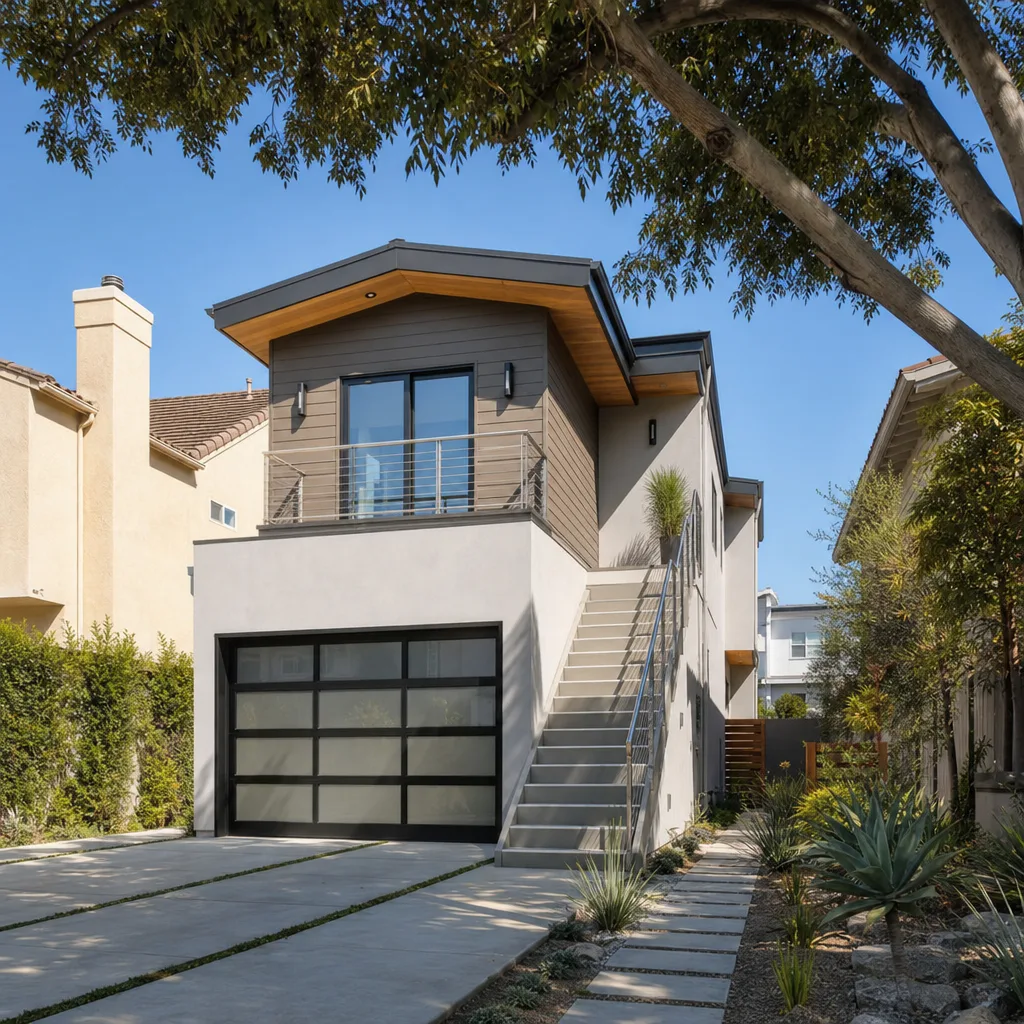
The DIY vs professional ADU decision in San Francisco is not primarily about whether you can swing a hammer. It’s about what happens to the property’s value and financeability when the work is owner-built. The owner-builder disclosure, the insurance exclusions, the lender appraisal flags, and the extended timeline lost rent all stack against the DIY savings in most scenarios. The hybrid model is the smart middle path: professional permits, structure, and systems, with your labor on finish trades that carry no long-term liability. Whatever path you choose, get a written price before the work starts, and make sure whoever holds the permit will still answer the phone after the final inspection. For more guides & resources on ADU planning in the city, explore our blog.
Written by Troy Eastman, Owner at Benson ADU San Francisco, serving San Francisco since 2006.