Plant Prefab Site Prep & Utilities: The San Francisco Owner’s Guide
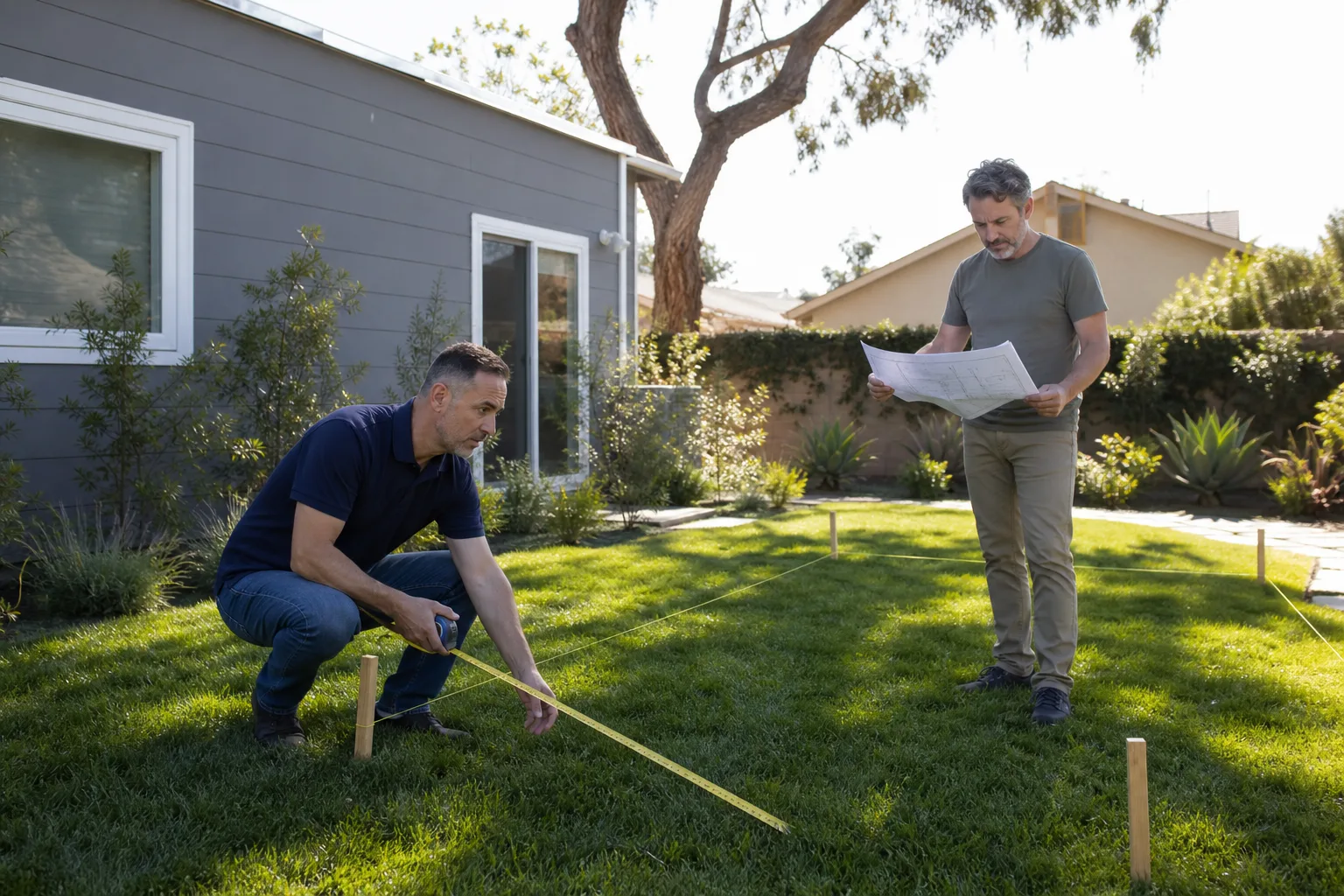
We stock and install Plant Prefab-compatible site prep materials and utility connections throughout San Francisco, with most standard packages running $8,500 to $22,000 installed depending on site conditions and trenching distance. For a typical flat or gently sloped San Francisco lot, most Plant Prefab ADU owners are looking at two to three weeks from first inspection to pad cert. You’ll usually know site prep has failed or fallen short when the prefab delivery team flags it during their site survey, or worse, when crane day arrives and the pad won’t pass level tolerance.
Here’s the reality on the ground in San Francisco: hillside lots, fill soil from decades of re-grading, and tight side-yard access create site conditions that generic contractors underestimate. We’ve pulled failed compaction tests on lots in the Mission and Portola where the original pad was poured over old debris fill. That’s the kind of thing a Plant Prefab factory spec catches in the survey, and it’s exactly what we fix before modules arrive.
Which Plant Prefab Models This Applies To
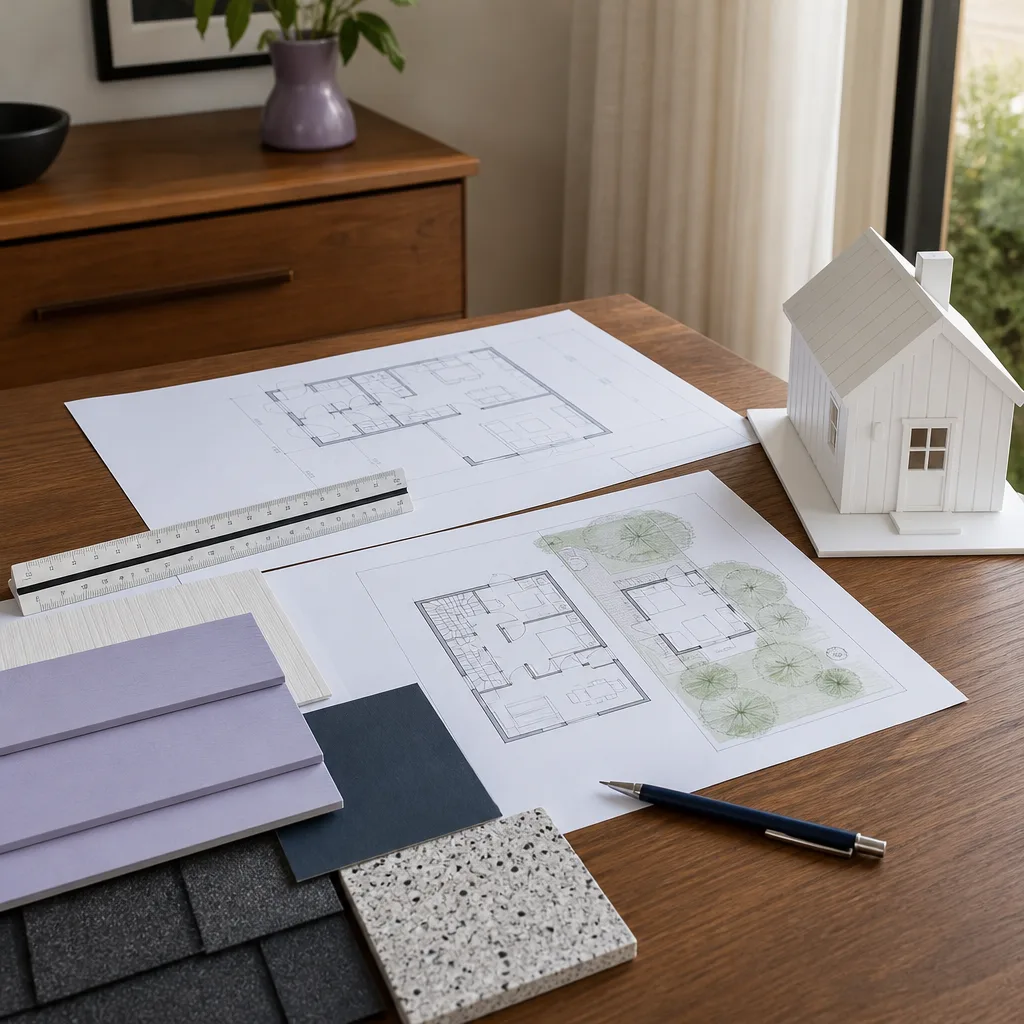
This applies across Plant Prefab’s current ADU and single-family lines: the LivingHome series (including LivingHome 10 through the multi-module configurations), the YB1 backyard unit, and any custom Plant Prefab panelized build. The site prep requirements share a common thread: Plant Prefab’s factory tolerances are tighter than site-built framing, which means your foundation slab has to be flatter, your anchor points more precise, and your utility stubs within a narrower window of placement than a traditional build.
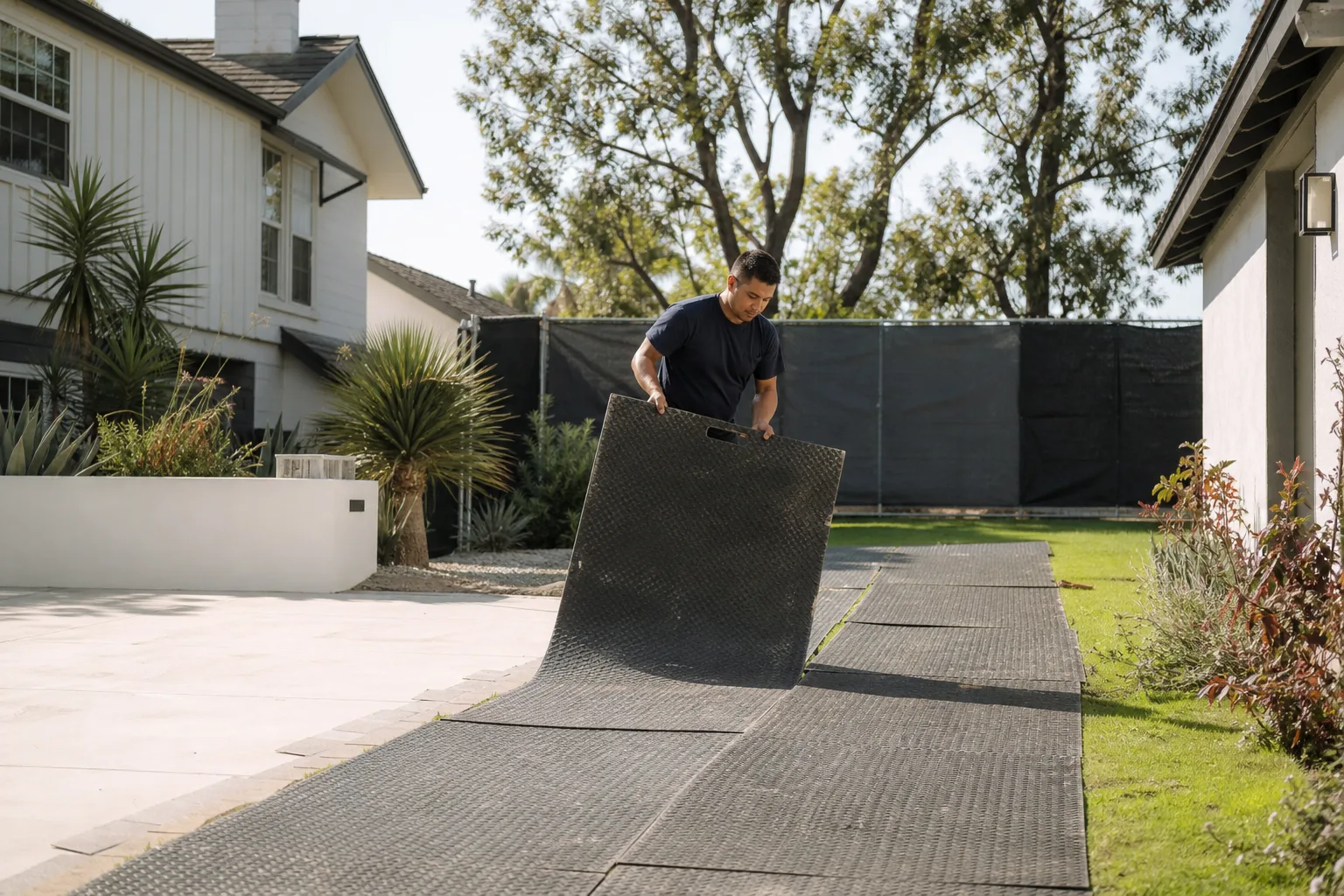
The biggest compatibility gotcha we see in San Francisco is crane pad placement. Plant Prefab’s larger modules require a crane with specific reach and outrigger load ratings. If your site prep contractor doesn’t verify the crane’s load path across your neighbor’s driveway or the sidewalk load rating, you can find yourself with a pad poured and no legal way to set the module. We always check crane access and outrigger loads before we pour a single yard of concrete. It’s a step that’s easy to skip and expensive to discover later.
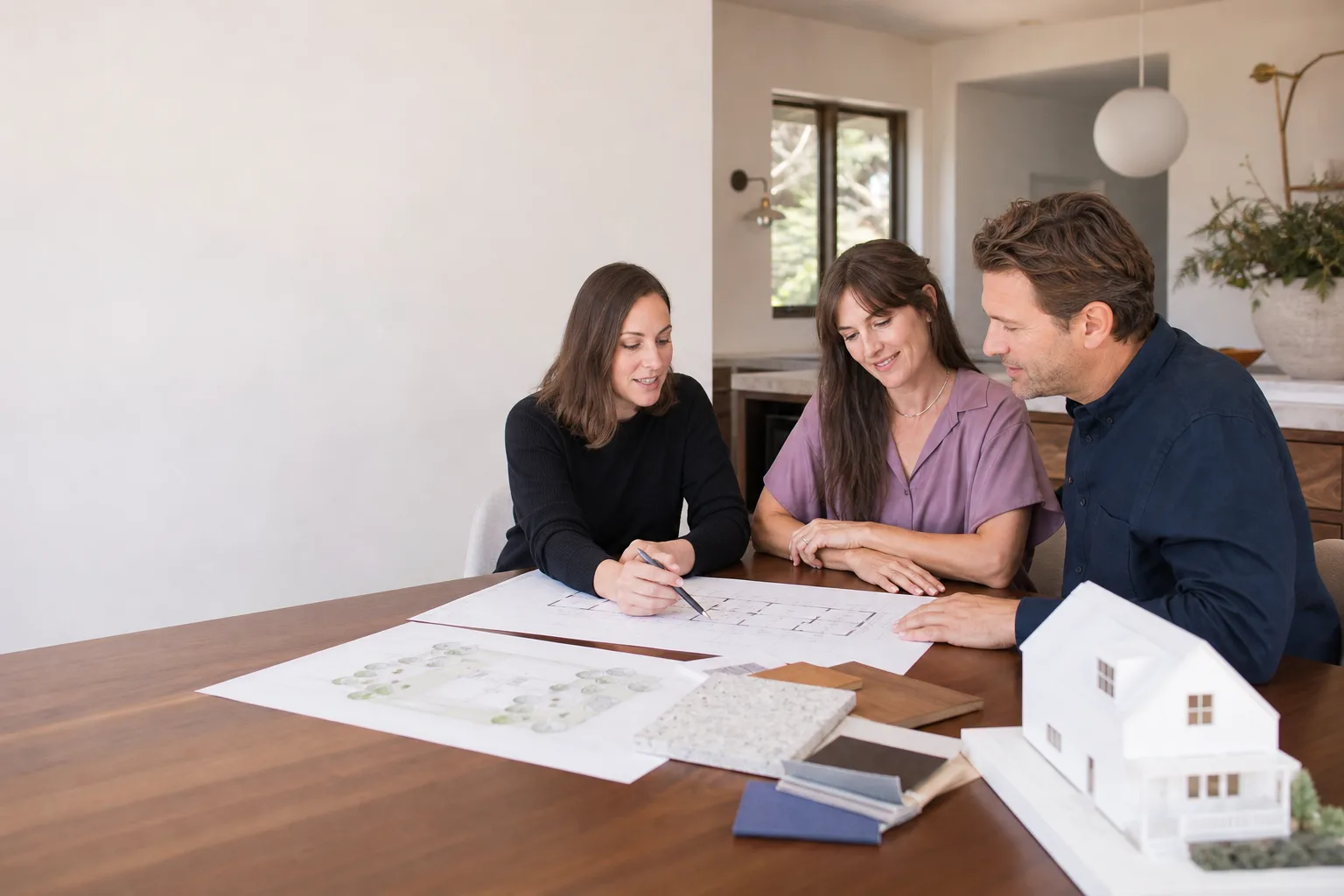
For OEM versus aftermarket: when it comes to site prep, there’s no “Plant Prefab branded” concrete or conduit. What matters is whether the contractor builds to Plant Prefab’s published spec sheets and tolerances. We keep every current spec on file and build to those numbers, then document the verification for the Plant Prefab site survey team.
Signs Your Plant Prefab Site Prep & Utilities Are Failing
- Pad is out of level by more than 1/8 inch over 10 feet. Plant Prefab modules won’t seat properly on a wavy slab, and shimming beyond spec voids the structural assumptions in the factory design. We see this most often on older San Francisco garages converted to ADU pads where the original pour wasn’t flat to begin with.
- Utility stubs are in the wrong location by more than 2 inches. Plant Prefab’s factory-drilled utility entries don’t have room for field improvisation. A sewer stub that’s 3 inches off can mean cutting the module floor or abandoning the stub entirely, which turns a clean install into a costly repair.
- Drainage slopes away from the slab edge or pond water against it. San Francisco’s winter rain exposes grading problems fast. Poor drainage against a prefab foundation leads to sill plate rot and compromised anchor bolts, and Plant Prefab’s warranty assumes proper site drainage.
- Compaction test fails below 90% relative density. Fill dirt that wasn’t properly compacted will settle under the module’s weight, causing drywall cracks, door misalignment, and in severe cases, utility line stress inside the wall cavities.
- Anchor bolt placement doesn’t match the module’s hold-down map. Plant Prefab ships with a specific anchor layout. Site-built foundations with misplaced anchors force field-drilling that weakens the sill plate and complicates the structural engineer’s final sign-off.
Replacement Cost & What’s Included
For San Francisco homeowners correcting a failed or substandard site prep, here’s what the work typically costs:
- Pad correction (grind, shim, or level top a small area) – $1,800 to $4,500
- Full pad removal and re-pour for a one-bedroom ADU pad – $7,500 to $14,000
- Utility stub relocation (sewer, water, electrical from street to pad) – $4,000 to $9,500 depending on trench distance and whether the trench crosses a sidewalk or driveway apron
- Compaction and grading correction with re-testing – $2,500 to $6,000
- Crane pad reinforcement or temp road plates – $1,200 to $3,800
Every one of those numbers includes the parts, the labor, the permit fee handling, and the re-inspection. What drives the spread in San Francisco is the same thing that drives everything here: hillside slopes, trench depth, and whether your utility lines run under public right-of-way. You’ll get a written price before any of our crews show up, and that price includes verification against the current Plant Prefab spec sheet for your model.
DIY or Call Us?
If you’re inspecting a site prep issue, there are things you can safely check yourself: look for standing water against the slab edge after rain, check for visible cracks wider than a dime in the pad, and confirm your utility stubs are still capped and clear of debris. Those observations help you have an informed conversation before anyone starts digging.
What you shouldn’t do is attempt to correct pad level, relocate utility lines, or re-compact fill on your own. A sewer line relocation done wrong is a health hazard, and a pad that fails compaction after your modules are set is a five-figure correction. Trenching near gas and electrical lines without proper locates is genuinely dangerous. If your site prep has failed, call us at (424) 328-5746. We’ll send someone out to look, and we’ll tell you honestly whether it’s a small correction or a full re-do before any work is scheduled.
FAQs
A properly compacted and poured pad with correct drainage should last 30 to 50 years in San Francisco’s climate. The weak points aren’t the concrete itself, they’re the drainage around it and the compaction underneath it, which is why we insist on compaction tests and drainage verification before the Plant Prefab survey team arrives.
Yes, in most cases. A pad that’s slightly out of level can be ground or topped, and utility stubs that are off by a few inches can often be adjusted. The exception is when the pad is badly cracked or the fill beneath it wasn’t compacted, in which case the honest answer is a full re-do, and we’ll show you the test results that justify that call before you spend a dollar.
Most corrections take three to seven working days once we have the permit in hand. Full pad re-pours run seven to fourteen days including cure time before anchor testing. You’ll get a written schedule along with your written quote, and we track progress against it with photo updates so you’re never wondering what’s happening on your own lot.
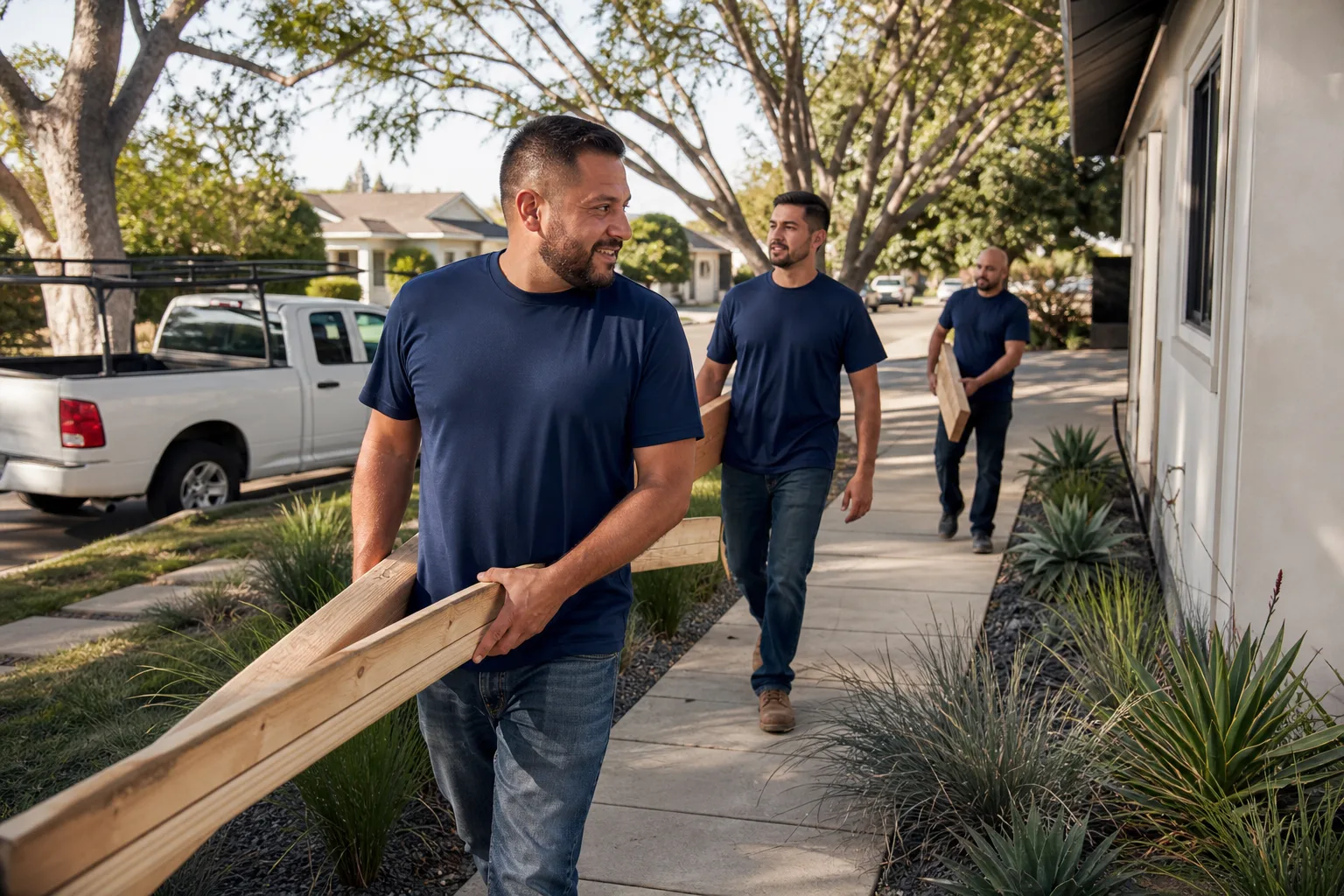
We keep the core components on our trucks and in our San Francisco yard: anchor bolt templates matched to current Plant Prefab hold-down maps, compaction testing equipment ready to deploy, and the drainage and utility stub materials the spec calls for. Whatever’s specific to your project gets ordered to your exact spec, never substituted for whatever’s cheap at the supply yard.
Price it in writing, build it right, no surprises. If your Plant Prefab site prep failed or you’re not sure it’s up to spec, call Benson ADU San Francisco at (424) 328-5746. We’ll send someone out, test what needs testing, and give you a written price before any work begins. We build with and support the major prefab brands including Abodu, Cover, Dvele, and Plant Prefab, and we’re known across San Francisco for keeping schedules honest and change orders rare. Troy Eastman has been leading our ADU crews through the tight lots and hillside challenges of this city for years, and he’d rather give you one straight answer than three vague ones.
Written by Troy Eastman, Owner & Lead Builder, Benson ADU San Francisco at Benson ADU San Francisco, serving San Francisco and nearby areas.