Abodu Junior ADU Conversion: The San Francisco Owner’s Guide
If your Abodu junior ADU conversion needs replacement parts, repair, or a full rebuild, we stock Abodu-compatible components and install them throughout San Francisco. A typical junior ADU conversion parts replacement or repair in San Francisco runs between $1,800 and $8,500 installed, depending on whether you’re fixing a single component or redoing a major system. Most owners discover the problem through a wet spot on the ceiling, a door that suddenly sticks, or a mini-split that’s blowing warm air in July. You usually don’t see the failure coming until it’s already there.
Which Abodu Models This Applies To
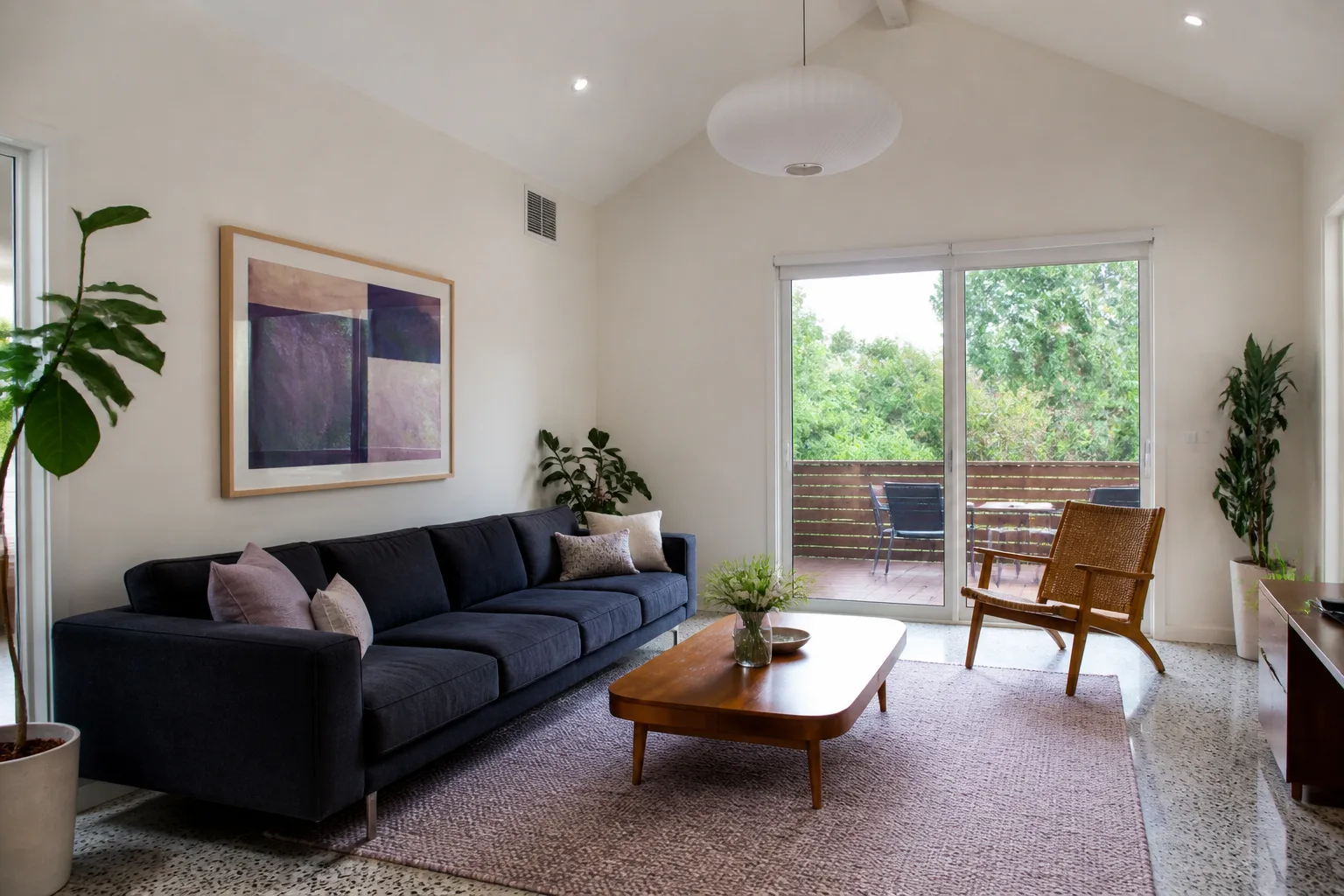
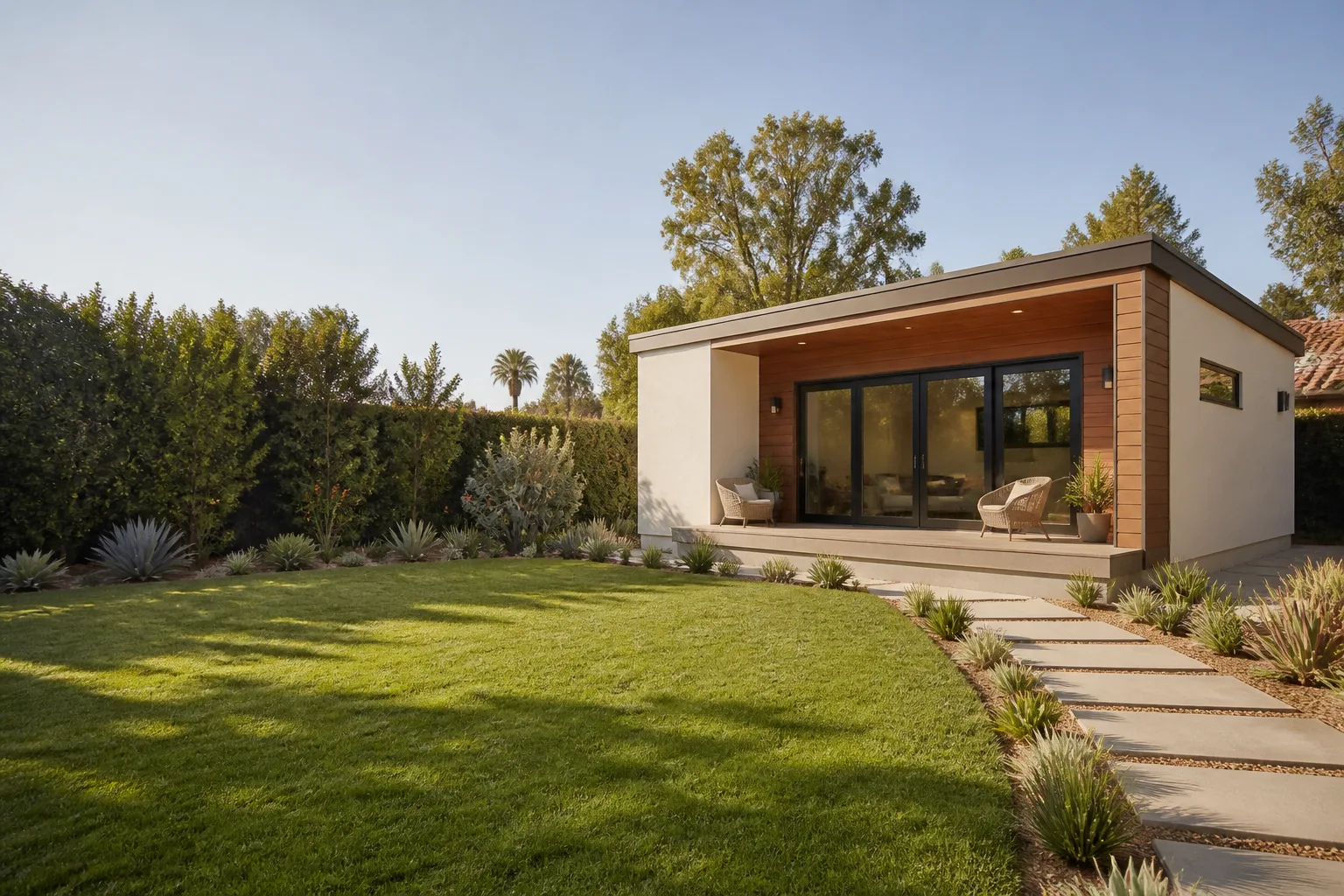
We work on the full Abodu line that’s landed in San Francisco backyards: the Studio series, the One Bedroom, and the Two Bedroom units. The junior ADU conversion is a different animal from a full standalone Abodu. In most San Francisco cases, a JADU is carved out of existing space inside the primary home or an attached structure, but plenty of Abodu owners have used Abodu panels to build out a garage conversion or a basement conversion. That’s where the compatibility gotcha lives.
Here’s what matters: Abodu panels from the Studio line are engineered to different load and insulation specs than those built for the larger units. If your JADU was assembled using an Abodu shell or Abodu wall panels, you need to match the replacement part to the original panel series. The panel label is usually printed inside the wall cavity near the bottom track, and it lists the series number and manufacture date. We keep a database of the San Francisco installations we’ve touched, but if you inherited the ADU from a previous owner, send us a photo of that label and we’ll confirm compatibility before we order anything.
For most replacements, OEM Abodu parts are the right call when the component is structural, like a wall connector, a roof transition, or a panel joint. But for mechanicals and finishes, quality aftermarket equivalents often outperform the original at a better price. We’ll tell you straight when OEM matters and when it doesn’t, because we’ve done enough of these to know the difference. We also source parts for Cover and Dvele units when a San Francisco homeowner needs cross-brand service.
Signs Your Abodu Junior ADU Conversion Is Failing
- Doors or windows that suddenly stick or won’t latch. Prefab panels settle differently than site-built framing, and San Francisco’s clay-heavy hillside soils in neighborhoods like Noe Valley and Glen Park make differential settling common. A sticking door often means the panel joint has shifted and needs a shim or a connector replacement.
- Water staining at a wall-to-ceiling transition. Abodu’s roofline transitions are factory-sealed, but years of San Francisco fog and winter rain can degrade the exterior flashing. A stain inside usually means the moisture barrier at a panel seam has quietly failed, and the interior damage is usually bigger than the stain suggests.
- Mini-split running but not holding temperature. In a JADU conversion, the HVAC line set is often the longest run in the structure. Abodu’s factory-installed mini-splits work hard in San Francisco’s microclimates, and a slow refrigerant leak or a failing condensate pump shows up as a unit that runs constantly but never quite cools or dehumidifies.
- Visible gap at the floor-to-wall joint on one side of the room. JADUs converted from garages or basements are built over concrete slabs that move with temperature swings. A widening gap means the base track anchors have loosened or corroded, which is common in San Francisco’s marine air.
- Breaker trips when the heater and a small appliance run at once. JADU electrical panels are sized to the original Abodu spec, but San Francisco owners keep adding electric kettles, space heaters, and induction burners. If your breaker trips regularly, the panel or a subpanel wire likely needs upgrading, not just resetting.
Replacement Cost & What’s Included
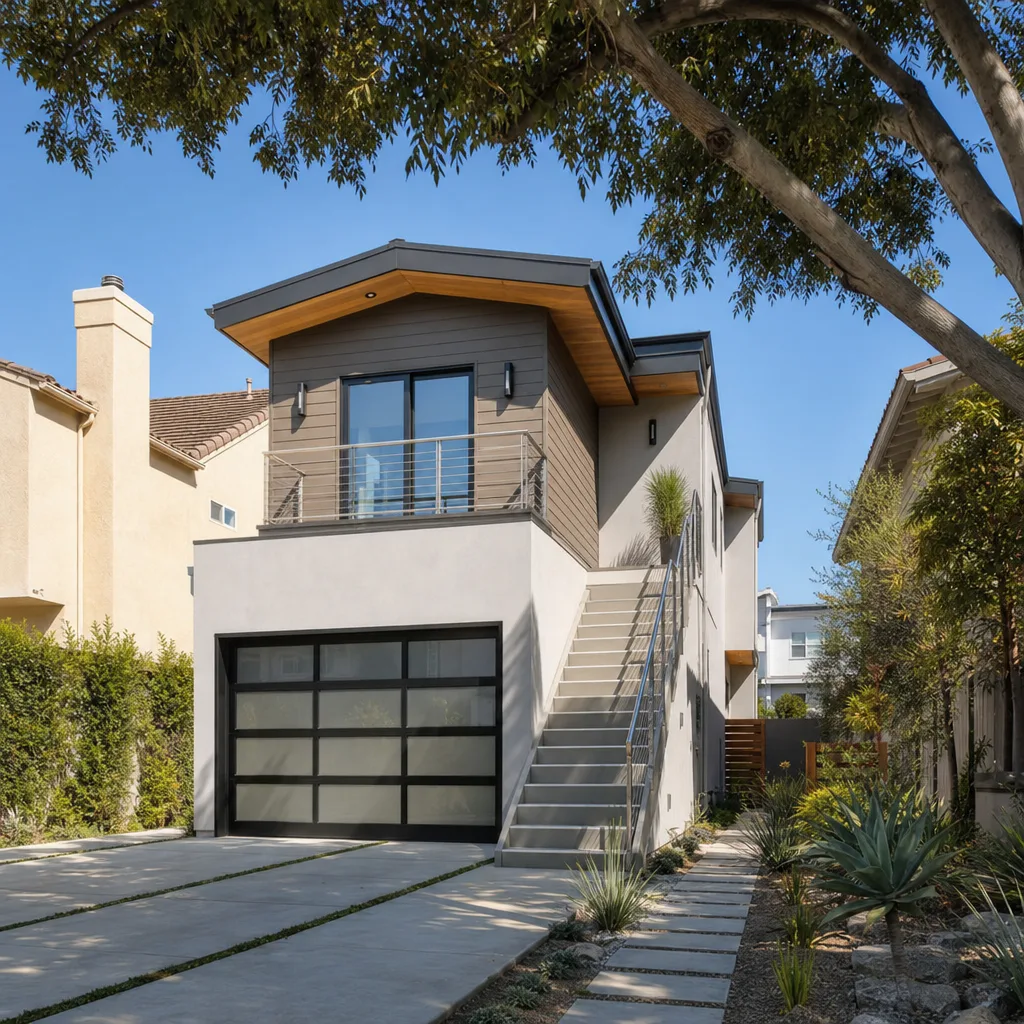
Here’s what we’re seeing in San Francisco right now, and we’ll put your exact number in writing before any work starts:
- Door or window re-alignment and shim: $350 – $800
- Panel seam reseal with new flashing: $900 – $2,200
- Mini-split refrigerant recharge and seal: $450 – $1,100
- Full mini-split replacement: $3,200 – $6,000
- Base track re-anchor on one wall: $600 – $1,400
- JADU electrical panel upgrade: $2,500 – $6,500
The range depends on access, how much demolition is required to reach the failed part, and whether we’re matching an Abodu OEM component or installing an aftermarket equivalent. Every quote includes parts, labor, cleanup, and our 365-Day Done Right Promise in writing. If the repair doesn’t hold within a year, we come back and make it right without another invoice.
DIY or Call Us?
Here’s the honest split. You can check a few things yourself: look for visible gaps at panel joints, feel for air movement around window frames on a foggy day, and listen for a mini-split that’s short-cycling. Those observations help us diagnose faster. What you should not do is open a wall panel, touch the electrical panel, or attempt to recharge a refrigerant line. Prefab panels are under engineered tension at their connections, and a JADU’s electrical panel is not a place for a YouTube tutorial. Refrigerant is regulated and pressurized, and a botched recharge turns a $600 fix into a $6,000 replacement. As Troy Eastman likes to say: price it in writing, build it right, no surprises. Call (424) 328-5746 and we’ll give you a real number before anything gets opened up.
FAQs
The structural shell is built to last 50-plus years, but the mechanicals and seals have a shorter San Francisco life. Mini-splits typically last 8 to 12 years in marine air, and exterior seals can start showing wear after 6 to 10 years, especially on fog-facing elevations in the Sunset. A well-maintained JADU should give you 15 to 20 years before any major component replacement.
Yes, in most cases the seam can be resealed and resecured without replacing the panel itself. We open the joint, inspect the connector hardware, replace any corroded fasteners, apply new flashing and sealant, and close it back up with matched interior finish work. Call (424) 328-5746 for a written quote on your specific seam.
Most single-part replacements take one day on site. A mini-split swap runs four to six hours, a panel seam reseal is typically a two-day job because the sealant needs cure time, and an electrical panel upgrade can run one to two days depending on utility coordination. We give you the schedule in writing before we start.
We keep the most common Abodu-compatible components on our trucks: panel connectors, fasteners, flashing, door hardware, and mini-split service parts. Specialty components, like a specific series wall connector or a factory-matched finish panel, typically arrive within five to seven business days. We’ll tell you the lead time in writing when we quote the job, not after you’ve already signed.
Written by Troy Eastman, Owner & Lead Builder, Benson ADU San Francisco at Benson ADU San Francisco, serving San Francisco and nearby areas.